

Seasonal allergies are one of the most common health problems affecting people of all ages. If you often experience sneezing, runny nose, watery eyes, or constant coughing during certain times of the year, you may be dealing with seasonal allergies. In this case, a seasonal allergy treatment specialist can help you understand your triggers and provide the right treatment for long-term relief.
This article explains what seasonal allergies are, what a specialist does, how treatment works, and when you should consider seeing one. Everything is written in simple and easy language so anyone can understand.
What Are Seasonal Allergies?
Seasonal allergies, also called hay fever or allergic rhinitis, happen when your immune system reacts strongly to allergens in the air. These allergens are usually harmless but can trigger symptoms in sensitive people.
Common seasonal allergens include:
- Pollen from trees (spring)
- Grass pollen (summer)
- Weed pollen (fall)
- Mold spores (rainy or humid seasons)
When you breathe in these allergens, your body thinks they are harmful and releases chemicals like histamine. This causes allergy symptoms.
Who Is a Seasonal Allergy Treatment Specialist?
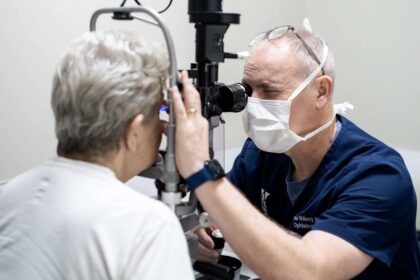
A seasonal allergy treatment specialist is a medical professional trained to diagnose and treat allergy-related conditions. They are usually:
- An allergist (allergy and immunology doctor)
- An ENT (ear, nose, and throat specialist)
- Sometimes a primary care doctor with allergy experience
Their main job is to:
- Identify what is causing your allergies
- Reduce or control your symptoms
- Improve your quality of life during allergy seasons
Instead of just treating symptoms temporarily, they focus on long-term solutions.
Common Symptoms of Seasonal Allergies
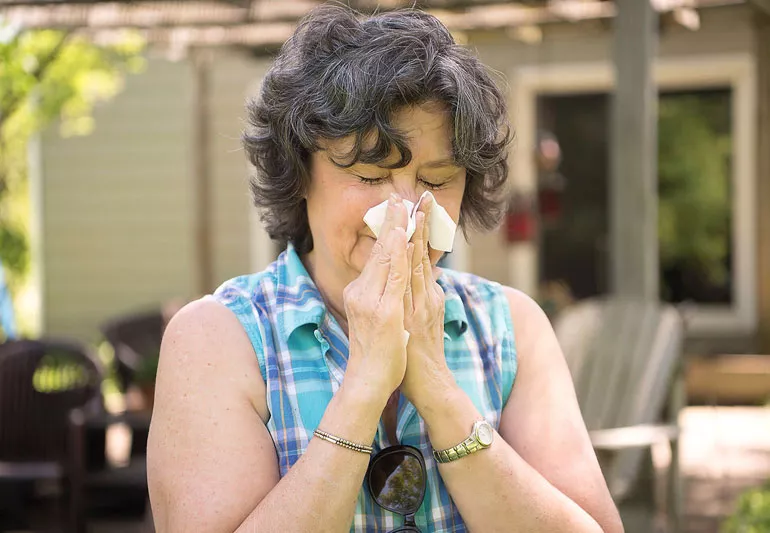
Seasonal allergies can feel like a cold, but they last longer and return every year during the same season. Symptoms may include:
- Frequent sneezing
- Runny or blocked nose
- Itchy eyes, nose, or throat
- Watery or red eyes
- Coughing
- Postnasal drip (mucus in the throat)
- Fatigue or tiredness
- Head pressure or mild headaches
Some people may also experience worsening asthma symptoms during allergy season.
When Should You See a Specialist?
Many people ignore allergies and try to manage them with over-the-counter medicines. However, you should see a seasonal allergy treatment specialist if:
- Symptoms last more than 2–3 weeks
- Allergies affect your sleep or daily life
- Medicines are not working well
- You have frequent sinus infections
- You also have asthma or breathing issues
- Symptoms get worse every year
Early treatment can prevent complications and improve your comfort.
How a Specialist Diagnoses Seasonal Allergies
A seasonal allergy treatment specialist uses different methods to find the cause of your allergies:
1. Medical History
They ask about your symptoms, family history, and when your allergies occur.
2. Physical Examination
They check your nose, eyes, throat, and breathing patterns.
3. Allergy Tests
The most common tests include:
- Skin prick test: Small amounts of allergens are placed on your skin to see reactions.
- Blood test (IgE test): Measures allergy-related antibodies in your blood.
These tests help identify exactly what triggers your symptoms.
Treatment Options for Seasonal Allergies
A seasonal allergy treatment specialist creates a personalized treatment plan based on your condition. Common treatments include:
1. Antihistamines
These medicines block histamine and reduce sneezing, itching, and runny nose.
2. Nasal Sprays
Steroid nasal sprays reduce inflammation inside the nose and help with congestion.
3. Decongestants
These help clear blocked noses but are usually used for short-term relief.
4. Allergy Eye Drops
They reduce redness, itching, and watery eyes.
5. Immunotherapy (Allergy Shots or Tablets)
This is a long-term treatment where your body is slowly exposed to allergens to build tolerance.
Immunotherapy is one of the most effective treatments for chronic allergies.
Lifestyle Tips Recommended by Specialists
Along with medical treatment, specialists often suggest lifestyle changes:
- Keep windows closed during high pollen seasons
- Use air purifiers indoors
- Shower after coming from outside
- Wash clothes regularly
- Avoid outdoor activities in early morning when pollen is high
- Wear sunglasses to protect eyes
- Keep your home dust-free
These small steps can significantly reduce symptoms.
Why Seeing a Specialist Is Important
Many people think seasonal allergies are minor, but untreated allergies can lead to:
- Chronic sinus infections
- Poor sleep quality
- Reduced productivity
- Asthma flare-ups
- Long-term breathing issues
A seasonal allergy treatment specialist helps prevent these problems by offering proper diagnosis and effective treatment.
They don’t just treat symptoms—they improve your overall health and comfort.
How Treatment Improves Quality of Life
With proper care, patients often experience:
- Easier breathing
- Better sleep
- Less fatigue
- Improved focus at work or school
- Fewer sick days during allergy seasons
This is why early treatment is important instead of ignoring symptoms.
Seasonal Allergy Prevention Strategies
While you cannot completely avoid pollen or allergens, you can reduce exposure:
- Check daily pollen forecasts
- Keep indoor humidity low to prevent mold
- Use HEPA filters in your home
- Avoid drying clothes outside during pollen season
- Clean pets regularly as they can carry pollen indoors
Prevention combined with treatment gives the best results.
Conclusion
A seasonal allergy treatment specialist plays an important role in helping people manage allergy symptoms effectively. Seasonal allergies may seem like a small issue, but they can seriously affect daily life if not treated properly.
With the right diagnosis, medications, and lifestyle changes, you can enjoy every season without discomfort. If your symptoms keep returning every year or affect your daily routine, consulting a specialist is the best step toward long-term relief.
Frequently Asked Questions (FAQs)
1. What does a seasonal allergy treatment specialist do?
They diagnose and treat allergies caused by pollen, dust, mold, and other seasonal triggers. They also create long-term treatment plans.
2. Can seasonal allergies be cured permanently?
There is no complete cure, but immunotherapy and proper treatment can significantly reduce or even stop symptoms over time.
3. Are seasonal allergies dangerous?
They are usually not dangerous, but they can become serious if they worsen asthma or lead to sinus infections.
4. What is the best treatment for seasonal allergies?
The best treatment depends on the patient, but antihistamines, nasal sprays, and allergy shots are commonly effective.
5. When should I visit an allergy specialist?
If your symptoms are frequent, severe, or affect your daily life despite medication, you should see a specialist.