

Dermal fillers are injectable cosmetic treatments that add volume to selected areas of the face. Treatment areas often include the lips, cheeks, under-eye regions, or other areas based on each patient’s aesthetic goals. A cosmetic provider can evaluate facial features and recommend a treatment plan based on individual needs and preferences. Here is more information on the impact of dermal fillers on facial symmetry:
Understanding Fillers
Dermal fillers are injectable treatments used to add volume beneath the skin. Some fillers contain hyaluronic acid, a substance naturally found within the body. A cosmetic provider selects treatment areas based on each patient’s facial features and aesthetic goals.
Facial volume and contours can change gradually with age. Dermal fillers help address areas such as the cheeks, lips, or folds around the mouth. Treatment plans vary according to the product used, treatment area, and individual preferences. A consultation allows patients to discuss expected results and available options with their provider.
Targeting Facial Areas
Dermal fillers can address different facial areas based on each patient’s features and aesthetic goals. A cosmetic provider evaluates facial structure before recommending specific treatment areas. Common treatment areas often include:
- Treating the cheeks: Fillers may add volume and contour to the midface while addressing differences between each side.
- Treating the lips: Fillers are able to add volume, shape the lips, or define features such as the Cupid’s bow.
- Treating under-eye areas: Fillers may address hollows and volume changes between the lower eyelids and cheeks.
- Treating lines and folds: Fillers are able to add volume around facial lines, including folds extending from the nose toward the mouth.
A treatment plan depends on facial anatomy, treatment areas, filler selection, and individual preferences. A cosmetic provider can explain available options and discuss expected results before treatment.
Receiving Dermal Filler Treatment
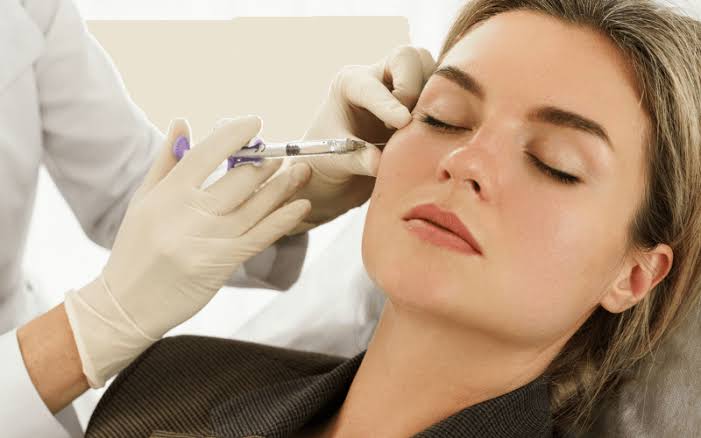
Dermal filler treatment begins with an evaluation of facial features and a discussion of the patient’s aesthetic goals. A cosmetic provider may mark treatment areas and apply a topical anesthetic before administering injections with a small needle. Treatment time varies based on the number of areas addressed and the individualized treatment plan. The provider can explain expected results, aftercare instructions, and follow-up recommendations during the appointment.
Comparing Fillers And Botox
Dermal fillers and Botox are injectable cosmetic treatments, but they address different facial concerns. Botox targets muscle activity associated with expression lines and wrinkles. Common treatment areas may include the forehead, between the eyebrows, and around the eyes.
Fillers add volume beneath the skin rather than targeting facial muscle activity. They may address volume changes, facial folds, hollow areas, or specific contours. A cosmetic provider selects treatment areas based on each patient’s facial anatomy and aesthetic goals. The type of filler used sometimes also varies by treatment area.
Some patients may discuss using Botox and fillers within the same treatment plan. Each treatment addresses different concerns, so recommendations depend on the desired changes. A cosmetic provider can explain how each injectable works and discuss available options. Treatment plans vary according to individual needs, preferences, and facial features.
Schedule Your Dermal Fillers Consultation
Dermal fillers may address volume changes or differences in facial contours without surgery. Treatment areas sometimes include the cheeks, lips, under-eye regions, and facial folds. A cosmetic provider can evaluate facial anatomy and discuss treatment options based on each patient’s aesthetic goals. Schedule a consultation with a qualified provider to learn more about dermal filler treatment.