

Diabetes changes how your body processes blood sugar, and the effects reach beyond glucose numbers. This condition develops when your body makes too little insulin or uses it poorly. When sugar stays high in your blood, it slowly damages tissues across your body. Here is more information on this condition and how it impacts your health:
Stiffening Blood Vessels
High blood sugar harms the lining of your blood vessels. Over time, excess glucose makes vessel walls thick and stiff, and this narrows the space for blood to flow. Since your organs need steady blood flow, stiff vessels put them at risk. Your doctor typically tracks this damage through several markers:
- Blood pressure readings
- Cholesterol levels
- A1C results over three months
These numbers provide information, and they guide your diabetes treatment plan. Stiff vessels raise pressure inside your circulatory system. When you keep your glucose steady, you slow the damage to these vessels.
Causing Nerve Damage
Nerve damage, called neuropathy, starts in your feet and hands. Elevated glucose injures the tiny blood vessels that feed your nerves. You might feel tingling, and some people notice numbness or sharp pain. Since damaged nerves lose sensation, small foot injuries go unnoticed.
Left untreated, these injuries turn into serious wounds. Regular foot checks help you catch problems early, and daily care lowers your risk. When nerves in your digestive system suffer, you may face nausea or slow digestion. Simple habits protect the nerves you rely on every day.
Leading to Heart Disease
Diabetes and heart disease share a close connection. High glucose damages arteries, and this buildup raises your chance of a heart attack. Since your heart works harder with narrowed arteries, strain grows over years. Several factors increase this risk when you have diabetes:
- High blood pressure
- Extra weight around the middle
- Low physical activity
Managing these factors supports your heart. When you move your body most days, you help your circulation. Steady blood sugar reduces stress on your arteries, and small changes add up over time. Your care team watches your heart health through routine visits and tests.
Diet plays a direct role in this process. Foods high in salt and saturated fat strain your system, and cutting back eases that pressure. Since your heart responds to daily choices, meals matter. A plan built with your doctor keeps your goals realistic.
Causing Vision Loss
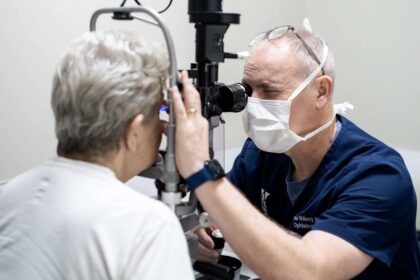
Your eyes contain delicate blood vessels that react to high glucose. Diabetic retinopathy develops when these vessels leak or swell, and this blurs your sight. Since early damage brings no symptoms, yearly eye exams matter.
An eye doctor spots changes before you notice them. Catching damage early gives you time to act, and treatment slows further loss. When glucose stays in a healthy range, you protect the vessels in your retina. Regular screenings remain your best tool for keeping your vision clear.
Managing diabetes effectively involves consistent monitoring of your blood sugar levels. Early action is key. If you maintain a balanced diet, exercise regularly, and follow your doctor’s guidance, you can significantly reduce the risks associated with diabetic retinopathy.
Get Treated for Diabetes
Diabetes affects many systems, but steady management makes a significant difference. You have tools to slow damage, and daily choices shape your long-term health. Since complications build quietly, early action counts. Schedule a visit with your provider to review your numbers and build a treatment plan. Your health requires steady attention, and the right support starts with one conversation.