

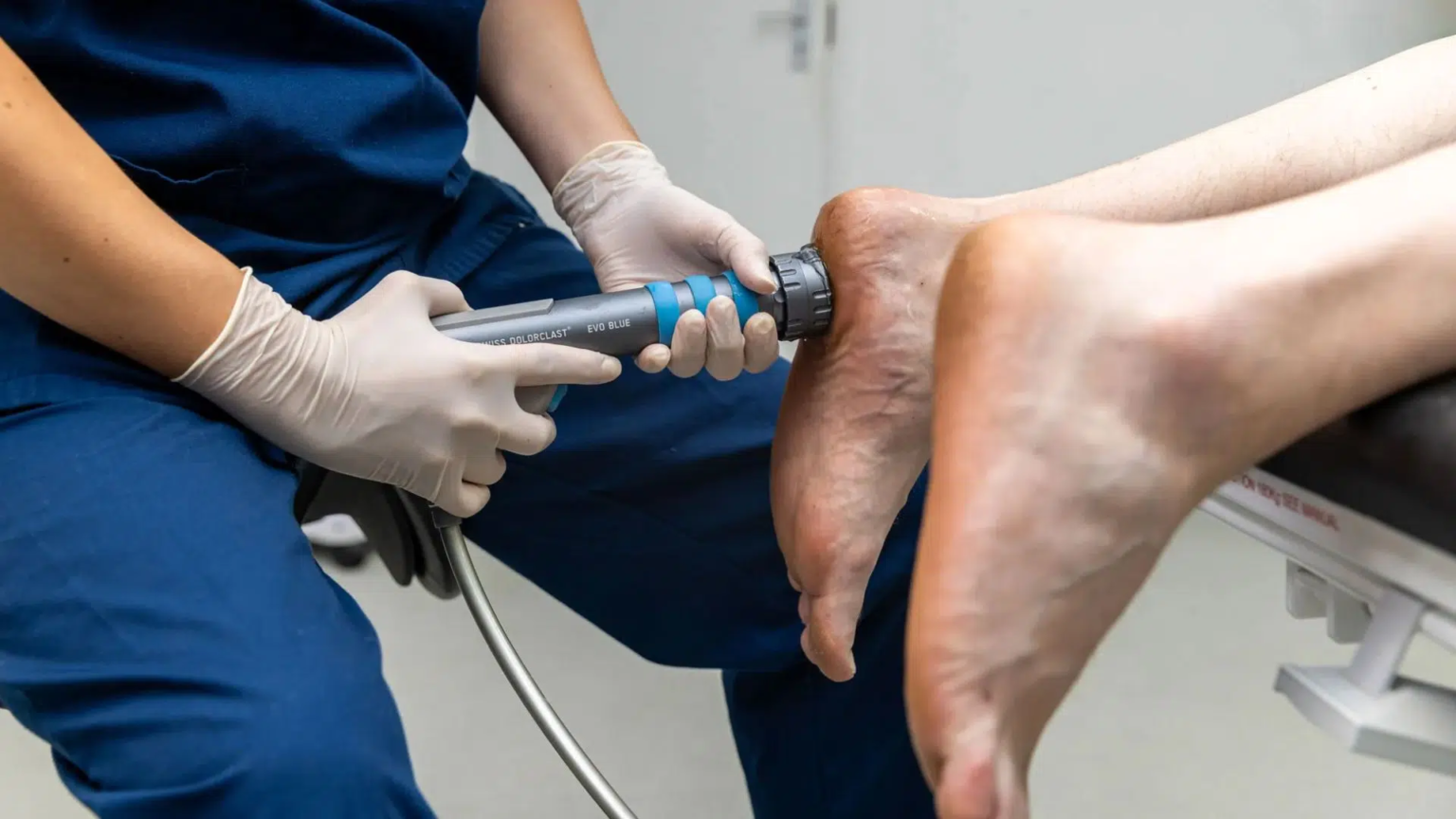

Heel pain is one of the most common foot problems affecting people of all ages. It can start slowly as a mild discomfort and later turn into sharp, stabbing pain that makes walking difficult. Many people ignore it at first, hoping it will go away on its own, but persistent heel pain often needs professional care.
This is where a podiatrist for heel pain treatment plays an important role. A podiatrist is a medical specialist trained in diagnosing and treating conditions related to the feet, ankles, and lower legs. When heel pain becomes ongoing or severe, a podiatrist helps find the exact cause and provides effective treatment to restore comfort and mobility.
In this article, we will explain what causes heel pain, how a podiatrist treats it, and what you can do to prevent it in the future—all in simple and easy language.
What is a Podiatrist?
A podiatrist is a healthcare professional who specializes in foot and ankle health. They are trained to treat everything from minor issues like corns and calluses to serious conditions like fractures, infections, and chronic heel pain.
When it comes to heel pain, a podiatrist does not just treat the symptom. Instead, they find the root cause and create a personalized treatment plan to fix the problem from the ground up.
What is Heel Pain?
Heel pain is discomfort or pain at the bottom or back of the heel. It can happen suddenly or develop over time. Some people feel it most when they wake up in the morning or after long periods of rest.
The heel absorbs most of the body’s weight when you walk, run, or stand, which makes it vulnerable to stress and injury.
Common Causes of Heel Pain
A podiatrist for heel pain treatment first identifies the cause. Some common reasons include:
1. Plantar Fasciitis
This is the most common cause of heel pain. It happens when the thick band of tissue (plantar fascia) on the bottom of the foot becomes inflamed.
Symptoms:
- Sharp pain in the morning
- Pain after standing or walking long hours
- Stiffness in the heel
2. Heel Spurs
Heel spurs are bony growths that form under the heel bone due to long-term stress.
3. Achilles Tendinitis
This condition affects the tendon at the back of the heel and causes pain and stiffness.
4. Flat Feet or High Arches
Abnormal foot structure can put extra pressure on the heel.
5. Overuse or Injury
Running, jumping, or standing for long hours can strain the heel.
6. Improper Footwear
Wearing shoes with poor support can lead to chronic heel pain.
When Should You See a Podiatrist for Heel Pain?
Mild heel pain may improve with rest, but you should see a podiatrist if:
- Pain lasts more than two weeks
- Pain gets worse over time
- You have difficulty walking
- There is swelling or redness
- Home treatments do not work
Early treatment helps prevent long-term damage.
How a Podiatrist Diagnoses Heel Pain
A podiatrist does not rely on guesswork. They use a proper diagnostic process:
1. Medical History
They ask about your symptoms, lifestyle, and daily activities.
2. Physical Examination
They check your foot for tenderness, swelling, and movement issues.
3. Imaging Tests
X-rays or ultrasound may be used to check for bone spurs or tissue damage.
4. Gait Analysis
They observe how you walk to identify pressure imbalances.
This helps them understand the exact cause of your heel pain.
Treatment Options from a Podiatrist for Heel Pain
Treatment depends on the severity and cause of the pain. Most cases do not require surgery.
1. Rest and Activity Changes
Reducing activities that cause pain helps the heel heal naturally.
2. Stretching Exercises
Special exercises for the calf muscles and plantar fascia can reduce pain and stiffness.
3. Custom Orthotics
These are specially designed shoe inserts that support your feet and reduce pressure on the heel.
4. Pain Relief Medication
Anti-inflammatory medications may be recommended to reduce swelling and pain.
5. Physical Therapy
Therapists use massage, ultrasound therapy, and strengthening exercises.
6. Footwear Advice
A podiatrist may suggest shoes with better arch support and cushioning.
7. Cortisone Injections
In severe cases, injections can reduce inflammation quickly.
8. Night Splints
These devices keep your foot stretched while you sleep to reduce morning pain.
9. Surgery (Rare Cases)
If all other treatments fail, minor surgery may be considered.
Home Care Tips for Heel Pain Relief
Along with professional treatment, a podiatrist may recommend home care methods:
1. Ice Therapy
Apply ice packs to the heel for 15–20 minutes to reduce swelling.
2. Gentle Stretching
Stretch your feet before getting out of bed.
3. Avoid Hard Surfaces
Try not to stand or walk on hard floors for long periods.
4. Maintain Healthy Weight
Extra weight increases pressure on the heels.
5. Wear Supportive Shoes
Avoid flat slippers or high heels.
These simple steps can speed up recovery.
Benefits of Seeing a Podiatrist for Heel Pain Treatment
Getting professional care has many advantages:
- Accurate diagnosis of the problem
- Faster pain relief
- Prevention of long-term damage
- Personalized treatment plan
- Improved walking comfort
- Reduced risk of recurrence
Ignoring heel pain can make the condition worse, so early treatment is always better.
Can Heel Pain Be Prevented?
Yes, in many cases heel pain can be prevented by following healthy habits:
- Wear proper footwear with arch support
- Warm up before exercise
- Avoid sudden increase in physical activity
- Maintain a healthy weight
- Stretch feet and calves regularly
Prevention is always easier than treatment.
Living Comfortably After Treatment
Once treated properly by a podiatrist, most people recover fully and return to normal activities. However, maintaining good foot care is important to avoid future pain.
Regular checkups, proper shoes, and daily stretching can keep your heels healthy for years.
Conclusion
A podiatrist for heel pain treatment plays a crucial role in diagnosing and managing foot pain that affects daily life. Heel pain is common, but it should not be ignored, especially when it becomes persistent.
With the right care, including diagnosis, treatment, and lifestyle changes, most people can recover without surgery. A podiatrist not only treats the pain but also helps prevent it from coming back.
If you are struggling with heel pain, seeking professional help early can make a big difference in your comfort, mobility, and quality of life.
Frequently Asked Questions (FAQs)
1. What does a podiatrist do for heel pain?
A podiatrist diagnoses the cause of heel pain and provides treatments like orthotics, exercises, medication, and therapy to reduce pain and improve foot health.
2. How long does heel pain take to heal?
Mild cases may improve in a few weeks, while chronic cases can take several months depending on treatment and lifestyle changes.
3. Is walking good for heel pain?
Light walking may be okay, but too much walking can worsen pain. A podiatrist can guide you on safe activity levels.
4. Do I need surgery for heel pain?
Most heel pain cases do not require surgery. It is only considered when other treatments fail.
5. What is the fastest way to relieve heel pain?
Rest, ice therapy, proper shoes, stretching exercises, and following a podiatrist’s treatment plan can provide faster relief.