

Good sleep is essential for a healthy life, but for many people, sleep is not peaceful or refreshing. They may snore loudly, wake up tired, or even stop breathing for a few seconds during sleep without realizing it. These signs are often linked to a serious condition called sleep apnea.
If you are searching for “sleep apnea diagnosis and treatment,” it means you want to understand what this condition is, how doctors find it, and what treatments can help improve sleep and overall health. This article explains everything in a simple and human way.
What is Sleep Apnea?
Sleep Apnea is a sleep disorder where a person’s breathing repeatedly stops and starts during sleep. These pauses in breathing can last a few seconds to even a minute, and they may happen many times throughout the night.
Because of these interruptions, the brain and body do not get enough oxygen, which leads to poor sleep quality and daytime fatigue.
There are three main types:
- Obstructive Sleep Apnea (OSA) – caused by blocked airways
- Central Sleep Apnea (CSA) – caused by brain signaling issues
- Complex Sleep Apnea – a combination of both
Why Sleep Apnea is a Serious Problem
Sleep apnea is not just about snoring. It is a medical condition that can affect many parts of your health:
- High blood pressure
- Heart disease
- Stroke risk
- Diabetes complications
- Poor concentration
- Daytime sleepiness and accidents
If untreated, it can slowly damage your quality of life.
Common Symptoms of Sleep Apnea
Many people do not even know they have sleep apnea. The symptoms are often noticed by family members. Common signs include:
- Loud and chronic snoring
- Gasping or choking during sleep
- Pauses in breathing
- Waking up with dry mouth
- Morning headaches
- Feeling tired even after full sleep
- Difficulty focusing during the day
- Mood changes or irritability
If these symptoms sound familiar, a proper diagnosis is very important.
What is Sleep Apnea Diagnosis?
Diagnosis means identifying whether a person truly has sleep apnea and how severe it is. Doctors in the field of Sleep Medicine use different methods to confirm the condition.
The goal is to understand:
- How often breathing stops
- How long the pauses last
- How oxygen levels change during sleep
- How sleep quality is affected
Steps in Sleep Apnea Diagnosis
1. Medical History Review
The doctor asks about:
- Sleep habits
- Snoring patterns
- Daytime tiredness
- Family history
- Lifestyle habits
2. Physical Examination
The doctor checks:
- Airway size
- Neck size
- Nose and throat structure
- Weight and BMI
3. Sleep Study (Most Important Step)
The most accurate test is a sleep study called a polysomnography. It is usually done in a sleep clinic or at home using a portable device.
During this test, doctors monitor:
- Brain activity
- Breathing patterns
- Heart rate
- Oxygen levels
- Body movements
4. Home Sleep Apnea Test
For some patients, doctors may recommend a home test kit that records breathing and oxygen levels while sleeping in your own bed.
Understanding Sleep Apnea Severity
After diagnosis, doctors classify sleep apnea as:
- Mild – few breathing interruptions
- Moderate – frequent interruptions
- Severe – many breathing pauses affecting oxygen levels
This classification helps decide the right treatment plan.
Sleep Apnea Treatment Options
Once diagnosed, treatment depends on the severity and cause. The goal is to keep airways open and improve breathing during sleep.
1. CPAP Therapy (Most Common Treatment)
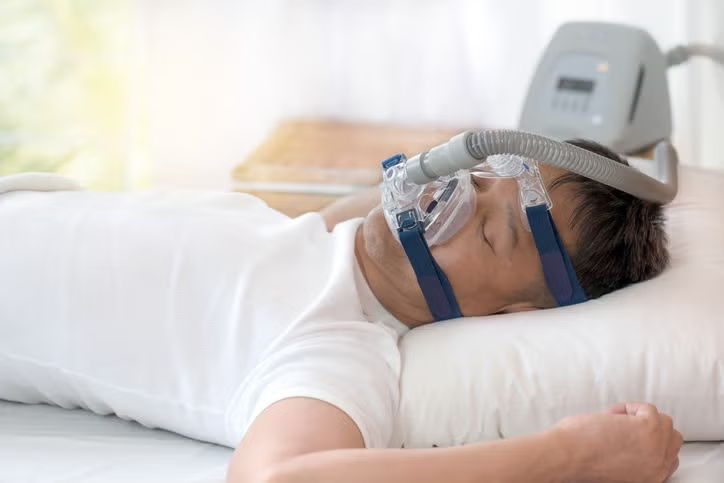
Continuous Positive Airway Pressure (CPAP) uses a machine that delivers air through a mask while sleeping. It keeps airways open and prevents breathing pauses.
Benefits:
- Better oxygen flow
- Reduced snoring
- Improved sleep quality
- Less daytime fatigue
2. Lifestyle Changes
For mild cases, doctors may suggest lifestyle improvements such as:
- Losing excess weight
- Sleeping on your side
- Avoiding alcohol before bed
- Quitting smoking
- Regular exercise
- Maintaining a sleep schedule
These changes can significantly reduce symptoms.
3. Oral Appliances
Dentists can provide custom mouth devices that:
- Move the jaw forward
- Keep the airway open
- Reduce snoring and breathing blockage
These are often used for mild to moderate cases.
4. Surgery (In Severe Cases)
If other treatments do not work, surgery may be recommended. It may involve:
- Removing excess throat tissue
- Correcting nasal issues
- Adjusting jaw structure
Surgery is usually a last option.
5. Treating Underlying Conditions
Sometimes sleep apnea is linked to other health issues like nasal blockage or obesity. Treating these conditions helps improve breathing during sleep.
Why Early Diagnosis is Important
Early detection of sleep apnea can prevent serious health problems. If diagnosed early, treatment can:
- Improve energy levels
- Protect heart health
- Reduce risk of stroke
- Improve mental focus
- Enhance overall quality of life
Ignoring symptoms can make the condition worse over time.
Living with Sleep Apnea
With proper treatment, people with sleep apnea can live normal and healthy lives. It may take time to adjust to treatments like CPAP, but consistency is key.
Support from family and regular follow-ups with doctors also help in long-term management.
Final Thoughts
Sleep apnea is a serious but treatable condition. Understanding sleep apnea diagnosis and treatment is the first step toward better sleep and better health. If you or someone you know has symptoms like loud snoring, tiredness, or breathing pauses during sleep, it is important to seek medical help.
Modern diagnosis tools and effective treatments make it possible to control sleep apnea and live a healthier, more energetic life.
FAQs
1. What is the main cause of sleep apnea?
The most common cause is blocked airways during sleep, often linked to obesity, throat structure, or nasal issues.
2. How is sleep apnea diagnosed?
It is diagnosed through a sleep study that monitors breathing, oxygen levels, and sleep patterns.
3. Can sleep apnea be cured permanently?
Some cases improve with weight loss or surgery, but many people manage it long-term with treatment like CPAP.
4. Is CPAP therapy uncomfortable?
It may feel unusual at first, but most people adjust over time and experience better sleep quality.
5. What happens if sleep apnea is not treated?
Untreated sleep apnea can lead to heart problems, high blood pressure, diabetes, and daytime fatigue.