

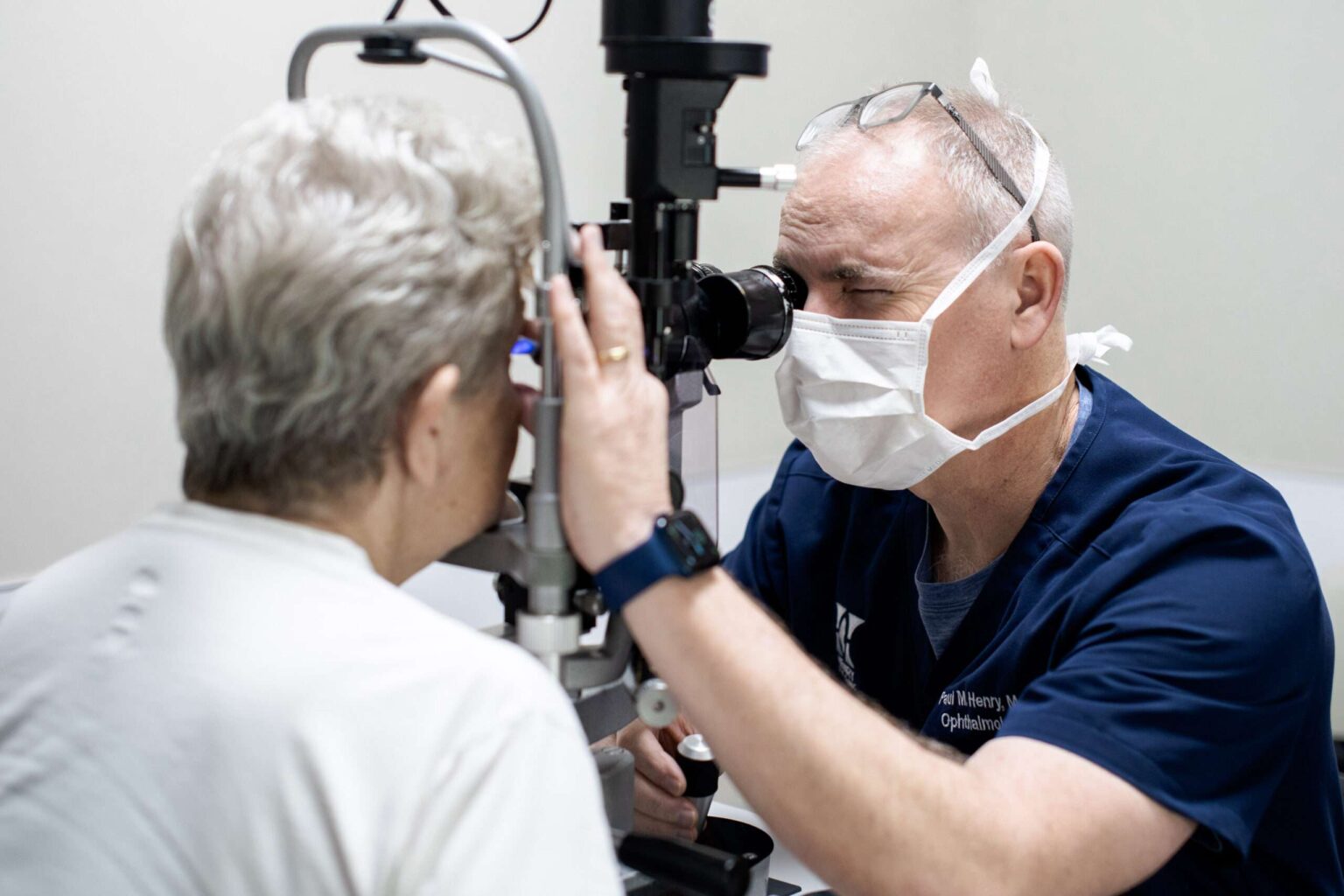

When systemic health issues affect vision, patients may require care from multiple medical fields to address the underlying condition. Diabetic retinopathy and thyroid eye disease are two examples. These conditions originate outside the eye, and ophthalmologists can recognize when a patient’s symptoms point to a larger health concern. Here is more information on what ophthalmologists do and how they deliver comprehensive care:
What Are Ophthalmologists?
Ophthalmologists are medical doctors who specialize in diagnosing and treating conditions of the eyes and visual system. Their training equips them to perform surgery, prescribe medication, and manage complex eye diseases. Because their education spans medical and surgical disciplines, ophthalmologists are qualified to address a wide range of eye-related conditions. Optometrists primarily focus on vision correction and routine eye exams, but ophthalmologists handle surgical procedures and treat diseases that affect the eye’s internal structures. The two roles are distinct.
What Services Do They Offer?
These professionals provide a range of services, from routine eye exams to specialized surgical procedures. Services include cataract surgery, glaucoma management, and retinal disease treatment; some also treat eye infections, injuries, and inflammatory conditions. Since these services span both preventive and interventional care, ophthalmologists treat a broad spectrum of ocular conditions.
Ophthalmologists also monitor how systemic conditions like diabetes and hypertension affect eye health. Regular screenings help detect early signs of damage before symptoms become noticeable, and patients benefit from consistent follow-up care. This proactive approach, which integrates ocular health into broader systemic disease management, forms the foundation for interdisciplinary collaboration.
What Does Collaboration Involve?
Collaboration between ophthalmologists and other specialists typically begins when an eye condition signals a broader health issue. When an ophthalmologist identifies diabetic retinopathy during a routine exam, they may refer the patient to a specialist, as addressing underlying blood sugar management is key to preventing further ocular damage. This referral process is a standard part of integrated care, and each specialist must stay informed about the other’s interventions for treatment compatibility.
This process relies on clear communication and the structured exchange of clinical information. Common elements shared between specialists include:
- Diagnostic imaging and test results that establish the current state of the patient’s condition
- Treatment histories that allow each provider to avoid conflicting interventions
- Ongoing health status updates that enable each specialist to adjust their approach as the patient’s condition evolves
How Is Comprehensive Care Provided?
Comprehensive eye care draws on input from multiple providers, and each contributor adds a distinct piece to the diagnostic and treatment process. An ophthalmologist may identify a symptom and order specific tests. When findings require further interpretation, the ophthalmologist collaborates with another specialist to confirm a diagnosis or refine a treatment plan. The team addresses the root cause of a condition rather than its visible symptoms alone.
Patients benefit from this coordinated approach because their care becomes more consistent across the specialists they see. Providers share appointments, test results, and treatment updates. This reduces communication gaps, and it produces a more complete treatment strategy tailored to the patient’s specific combination of health conditions.
Seek Comprehensive Care Today
Ophthalmologists play a central role in identifying eye conditions tied to broader health concerns, and their collaboration with other specialists strengthens the quality of care patients receive. A strong communication network helps catch problems early and treat them effectively. If you’re managing a chronic condition or noticing changes in your vision, schedule an appointment with an ophthalmologist to discuss your symptoms and health history in detail.