

Pelvic pain may result from menstrual problems, infections, or other reproductive health conditions. An OBGYN evaluates your symptoms, identifies the possible cause, and recommends appropriate treatment. Here are several reasons to see an OBGYN for pelvic pain:
Identifying Causes of Pain
Pelvic pain often connects to the reproductive system. During your visit, the OBGYN reviews your medical history, asks about your menstrual cycle, and notes when the pain appears. This detailed approach helps narrow down possible sources. Many conditions can trigger discomfort in this region, and identifying them early gives you helpful direction. Here are some common contributors an OBGYN may look for during an evaluation:
- Menstrual-related pain: Cramping tied to your cycle can point to conditions worth reviewing with a specialist.
- Ovarian changes: Cysts or other changes in the ovaries sometimes cause localized aching or pressure.
- Uterine conditions: Growths or tissue changes in the uterus may explain ongoing pelvic pain.
- Pelvic inflammation: Infection or inflammation in reproductive organs can produce noticeable symptoms.
Performing Pelvic Exams and Tests
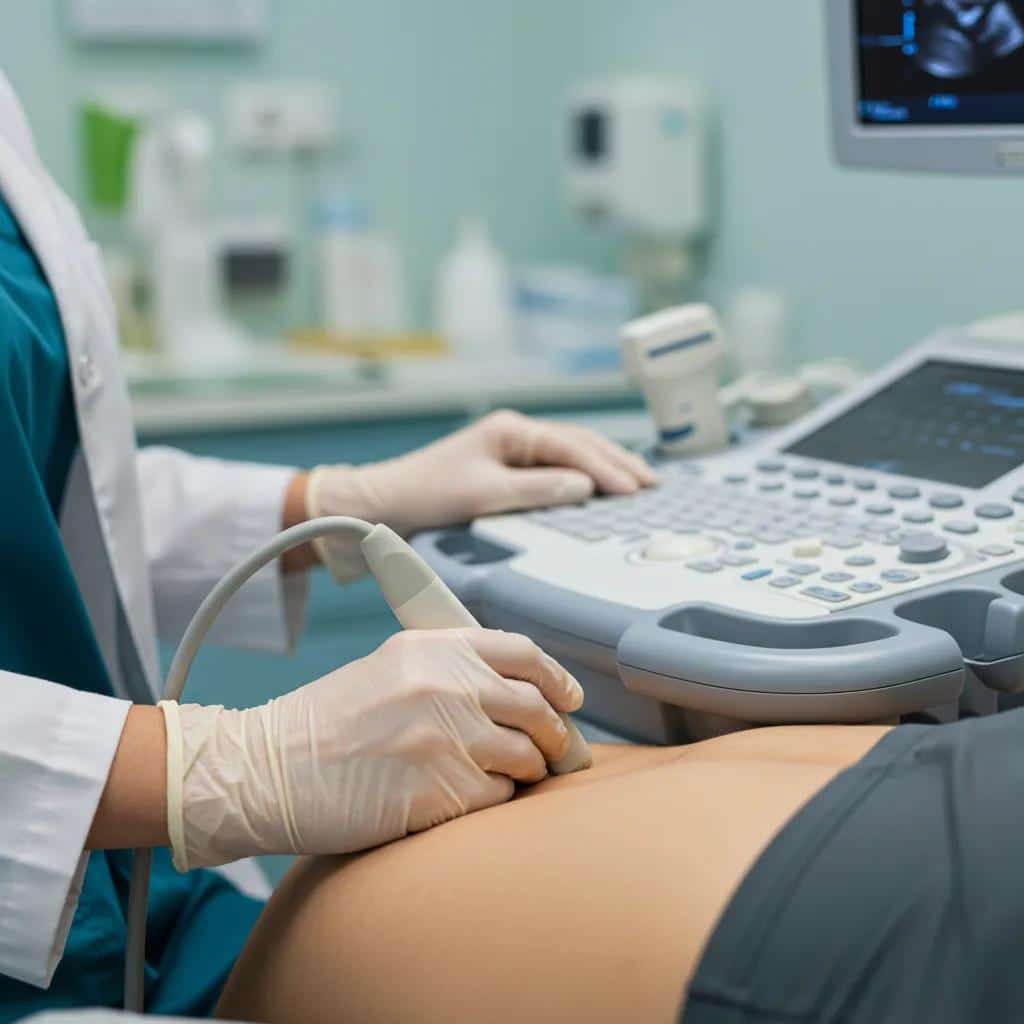
A pelvic exam is a fundamental part of understanding the cause of your pain. Your OBGYN examines the reproductive organs to check for tenderness, swelling, or irregularities. While the process may feel unfamiliar, the physician explains each step so you know what to expect. Testing often follows the physical exam to provide more information. An OBGYN may order an ultrasound to view the ovaries and uterus, or they request lab work to check for infection. These tools give a comprehensive view, and they help confirm or rule out specific concerns.
Treating Gynecologic Pain Conditions
Once your OBGYN identifies a possible cause, the conversation moves toward management. Treatment depends on the source of the pain, and it varies from one woman to the next. Your physician tailors the plan to your body, your history, and your goals, so the approach reflects your needs. An OBGYN will walk you through several options, and understanding them helps you make informed decisions. The physician may suggest one or more of the following approaches:
- Lifestyle adjustments: Changes to daily habits sometimes ease certain types of discomfort.
- Medication management: Prescribed treatments can address underlying conditions or reduce pain.
- Hormonal support: For cycle-related pain, hormonal options may provide more balance.
- Procedural care: In some cases, a minor procedure addresses the source of pain directly.
Monitoring Persistent Symptoms
Pain that continues or worsens requires ongoing attention, and an OBGYN provides that follow-through. Regular check-ins allow the physician to track how your symptoms respond to treatment, and they make adjustments when something changes. Your OBGYN may schedule follow-up visits, repeat certain tests, or refine your treatment plan over time. The physician also watches for new symptoms that may signal a change in your condition.
Consult a Local OBGYN Today
Pelvic pain has several possible causes; an OBGYN has the expertise to pinpoint them, perform exams, guide treatment, and monitor your progress. This specialist supports women through every stage of life with attentive and personalized care. Contact a qualified OBGYN in your locality to schedule your consultation today.