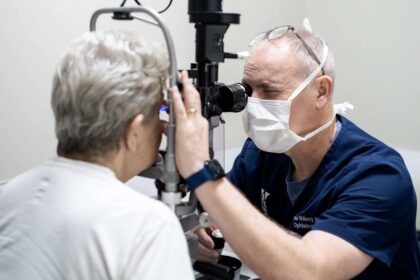



As people grow older, their health needs become more complex and sensitive. A geriatric specialist is a doctor who focuses on the medical care of older adults, usually aged 60 and above. When someone searches for “geriatric specialist near me,” they are usually looking for expert help to manage age-related health issues, long-term diseases, and overall wellness in old age.
In this article, you will learn what a geriatric specialist does, why they are important, what conditions they treat, and how to find the right doctor near you in a simple and easy way.
What is a Geriatric Specialist?
A geriatric specialist is a doctor trained in the field of Geriatric Medicine. This branch of medicine is designed specifically for older adults who may be dealing with multiple health problems at the same time.
These doctors often come from backgrounds in Internal Medicine or family medicine and then take additional training in elderly care.
Their main goal is not just to treat diseases but to improve quality of life, independence, and daily comfort for older patients.
Why Do Older Adults Need a Geriatric Specialist?
As we age, our body becomes more sensitive. A small health issue can turn into a bigger problem if not managed properly. Older adults often face multiple conditions at once, such as diabetes, blood pressure, arthritis, and memory loss.
A geriatric specialist understands how these conditions interact with each other. For example, a medicine for one disease might affect another condition. These doctors carefully balance treatments to avoid complications.
They also focus on:
- Preventing falls and injuries
- Managing long-term illnesses
- Improving memory and mental health
- Supporting daily living activities
- Reducing hospital visits
This makes geriatric care very important for senior citizens.
Common Health Problems Treated by Geriatric Specialists
A geriatric doctor handles a wide range of age-related conditions. Some of the most common include:
1. Memory and Cognitive Issues
Conditions like dementia and Alzheimer’s disease affect memory, thinking, and behavior.
2. Heart Diseases
High blood pressure, heart failure, and irregular heartbeat are common in older adults.
3. Diabetes Management
Sugar levels need careful monitoring to avoid complications.
4. Arthritis and Joint Pain
Many elderly people suffer from joint stiffness and mobility issues.
5. Weak Bones (Osteoporosis)
This increases the risk of fractures and injuries from falls.
6. Multiple Chronic Conditions
Most seniors have more than one health problem, which needs balanced treatment.
When Should You Search for “Geriatric Specialist Near Me”?
You should consider visiting a geriatric specialist if:
- An elderly person has multiple diseases at the same time
- There is frequent weakness, dizziness, or falls
- Memory problems or confusion are increasing
- Daily activities become difficult
- Medicines are too many or causing side effects
- Long-term conditions are not improving
Even if symptoms seem mild, early consultation can prevent serious problems later.
Benefits of Visiting a Geriatric Specialist
Choosing a geriatric specialist offers many advantages:
Better Overall Care
Instead of treating one disease at a time, the doctor looks at the full health picture.
Safe Medication Management
Older adults often take many medicines. The specialist ensures they do not interact negatively.
Improved Quality of Life
Focus is placed on comfort, independence, and emotional well-being.
Personalized Treatment Plans
Every patient gets care based on their age, lifestyle, and medical history.
Support for Families
Doctors also guide family members on how to take care of elderly patients.
How to Find the Best “Geriatric Specialist Near Me”
Finding the right doctor is very important. Here are some simple tips:
1. Search Online
Use Google or maps and type “geriatric specialist near me” to find nearby clinics and hospitals.
2. Check Hospital Reputation
Choose well-known hospitals or healthcare centers with good reviews.
3. Look at Experience
A good geriatric doctor should have experience in elderly care and chronic disease management.
4. Ask for Recommendations
Family, friends, or local doctors can suggest trusted specialists.
5. Check Availability
Choose a doctor who is easily accessible for regular visits and emergencies.
What Happens During a Geriatric Consultation?
A visit to a geriatric specialist is usually detailed and patient-friendly. The doctor may:
- Ask about medical history
- Review current medications
- Check physical health and mobility
- Evaluate memory and mental health
- Suggest lab tests or scans if needed
After evaluation, the doctor creates a care plan that may include medicines, lifestyle changes, exercises, and diet advice.
Treatment Approach in Geriatric Care
Geriatric care is not just about medicines. It is a complete health approach that includes:
Medication Adjustment
Reducing unnecessary drugs and avoiding harmful combinations.
Physical Therapy
Exercises to improve strength, balance, and mobility.
Nutrition Guidance
Proper diet plans to support aging bodies.
Mental Health Support
Helping with depression, anxiety, or memory problems.
Preventive Care
Vaccinations, regular checkups, and early diagnosis.
Role of Family in Elderly Care
Family support is very important in geriatric care. Elderly patients feel better when they are emotionally supported and cared for.
Families should:
- Help with medication reminders
- Accompany them to doctor visits
- Encourage light physical activity
- Monitor changes in health or behavior
- Provide emotional comfort and companionship
Simple Tips for Healthy Aging
Even without medical treatment, seniors can improve their health by following simple habits:
- Eat fresh and balanced meals
- Stay physically active with walking or light exercise
- Drink enough water
- Sleep on time
- Stay socially active with friends and family
- Go for regular medical checkups
Conclusion
Searching for a “geriatric specialist near me” is an important step toward better elderly care. A geriatric specialist provides complete medical support for older adults, focusing not just on diseases but also on comfort, independence, and quality of life.
With the right doctor, seniors can live healthier, safer, and more peaceful lives. Early consultation, proper care, and family support all work together to ensure better aging.
FAQs
1. What does a geriatric specialist do?
A geriatric specialist treats health problems in older adults and manages multiple diseases with a balanced approach.
2. At what age should I see a geriatric doctor?
Usually, people aged 60 and above can benefit from geriatric care, especially if they have chronic illnesses.
3. Is a geriatric specialist different from a general doctor?
Yes, they have special training in elderly care and understand age-related health complexities better.
4. Do geriatric specialists only treat serious diseases?
No, they also focus on prevention, routine checkups, and improving overall quality of life.
5. How often should seniors visit a geriatric specialist?
It depends on health conditions, but regular checkups every 3–6 months are commonly recommended.