

Knee pain is one of the most common problems affecting people of all ages. It can happen because of injury, aging, overuse, or medical conditions like arthritis. When knee pain becomes serious or long-lasting, many people look for an orthopedic specialist for knee pain to get proper diagnosis and treatment.
An orthopedic specialist is a doctor who focuses on bones, joints, muscles, and ligaments. They understand how the knee works and how to treat different types of knee problems effectively.
In this article, we will explain what an orthopedic specialist does, common causes of knee pain, symptoms, treatments, and how they help patients recover in simple and easy language.
What Is an Orthopedic Specialist?
An orthopedic specialist is a medical doctor trained to treat problems related to the musculoskeletal system. This includes:
- Bones
- Joints
- Ligaments
- Tendons
- Muscles
When it comes to knee pain, an Orthopedic specialist is the right expert to diagnose the exact cause and suggest proper treatment.
They treat both simple injuries like sprains and serious conditions like ligament tears or arthritis.
Why Knee Pain Happens
Knee pain can happen for many reasons. Some are temporary, while others may need long-term treatment.
1. Injury or Trauma
A sudden fall, accident, or sports injury can damage ligaments or bones in the knee.
2. Arthritis
One of the most common causes of knee pain, especially in older adults. It causes swelling, stiffness, and joint damage.
3. Overuse
Repeated movements such as running, jumping, or heavy work can strain the knee joint.
4. Aging
As people age, cartilage in the knee becomes weak and wears down.
5. Obesity
Extra body weight puts pressure on the knees, leading to pain and discomfort.
6. Improper Movement
Poor posture or incorrect walking style can also affect knee health.
Symptoms of Knee Problems
Knee pain can feel different depending on the cause. Common symptoms include:
- Pain while walking or climbing stairs
- Swelling around the knee
- Stiffness or difficulty bending
- Clicking or popping sound
- Weakness in the leg
- Redness or warmth in the joint
- Difficulty standing for long periods
If these symptoms last for more than a few days, it is important to visit an orthopedic specialist.
When Should You See an Orthopedic Specialist?
You should not ignore knee pain if:
- Pain is severe or long-lasting
- You cannot move your knee properly
- There is swelling after an injury
- Knee feels unstable or gives out
- Pain affects daily activities
In such cases, an Orthopedic specialist can identify the root cause and prevent further damage.
How Orthopedic Specialists Diagnose Knee Pain
Doctors use different methods to understand the problem:
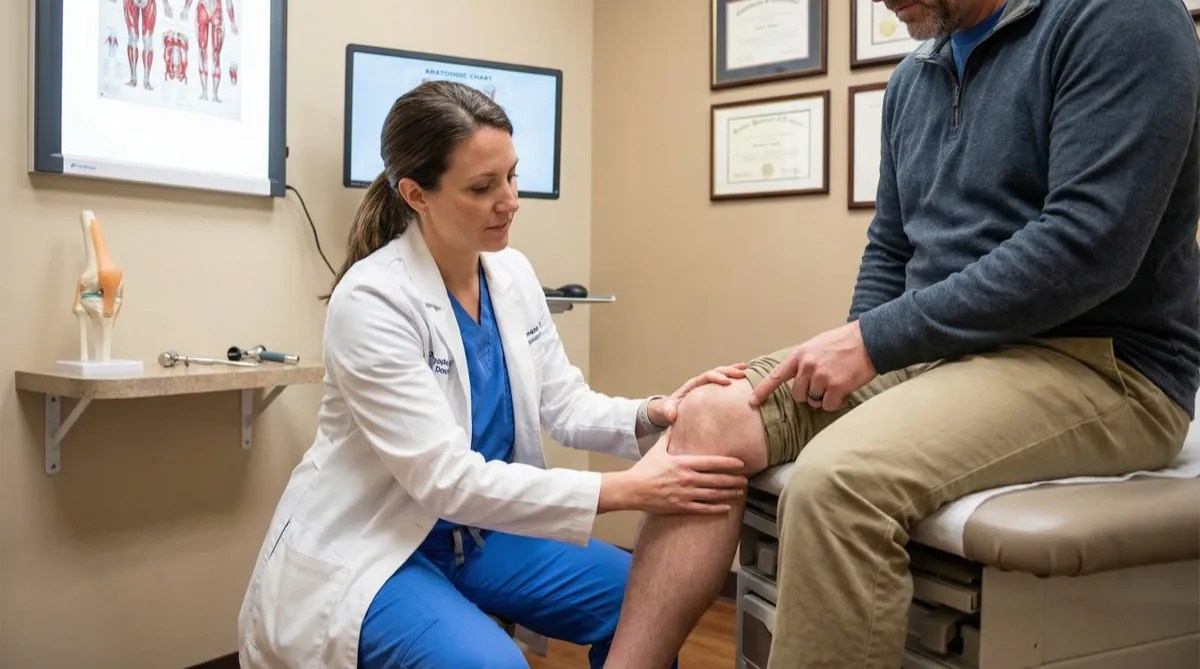
1. Physical Examination
The doctor checks movement, pain level, swelling, and strength of the knee.
2. Imaging Tests
- X-rays: Show bone damage or arthritis
- MRI scan: Shows soft tissue injuries like ligaments or cartilage tears
- CT scan: Gives detailed images of bones
3. Medical History
The doctor asks about your lifestyle, past injuries, and symptoms.
Sometimes, other specialists like those in Internal Medicine may help rule out related health conditions.
Treatment Options for Knee Pain
Treatment depends on the severity of the condition. Many cases improve without surgery.
1. Rest and Lifestyle Changes
Rest is the first step in recovery. Avoid activities that increase pain. Small changes like reducing weight and avoiding long standing can help a lot.
2. Ice and Heat Therapy
- Ice reduces swelling and pain in the early stage
- Heat helps relax stiff muscles later
This simple method is often used at home.
3. Medicines for Pain Relief
Doctors may prescribe anti-inflammatory medicines to reduce swelling and pain. These help improve mobility and comfort.
Pain treatment is often guided by Pain Management specialists when pain becomes chronic.
4. Physical Therapy
One of the most important treatments for knee pain is physical therapy. A trained therapist helps you with exercises that:
- Strengthen muscles around the knee
- Improve flexibility
- Reduce stiffness
- Support joint stability
This care is provided by Physical Therapy professionals who create personalized recovery plans.
5. Knee Exercises
Some common exercises include:
- Straight leg raises
- Hamstring stretches
- Wall sits
- Step-up exercises
- Light cycling
These exercises should be done slowly and regularly for best results.
6. Knee Injections
In some cases, doctors may recommend injections to reduce inflammation and pain. These are used when other treatments do not work well.
7. Surgery (For Severe Cases)
If the knee is badly damaged, surgery may be required. Common surgeries include:
- Arthroscopy (small camera surgery)
- Ligament repair
- Knee replacement
After surgery, rehabilitation is very important for recovery.
8. Knee Replacement Surgery
In extreme cases of arthritis or joint damage, knee replacement surgery may be done. This helps replace the damaged joint with an artificial one, improving movement and reducing pain.
Role of Physical Therapy in Recovery
Physical therapy plays a major role in both non-surgical and post-surgical recovery. It helps patients regain strength and return to normal life faster.
Without proper therapy, knee problems may return or worsen over time.
Prevention of Knee Pain
You can reduce the risk of knee pain by following simple habits:
- Maintain a healthy weight
- Exercise regularly
- Warm up before physical activity
- Avoid sudden heavy lifting
- Wear proper shoes
- Strengthen leg muscles
Small changes in daily life can protect your knees for years.
Benefits of Seeing an Orthopedic Specialist Early
Early treatment gives many benefits:
- Faster recovery
- Less risk of complications
- Better pain control
- Avoiding surgery in many cases
- Improved mobility
An early visit to an Orthopedic specialist can make a big difference in long-term knee health.
Conclusion
Knee pain can affect your daily life, making walking, sitting, or even standing difficult. But the good news is that most knee problems can be treated effectively with proper care.
An orthopedic specialist plays an important role in diagnosing the cause and providing the right treatment plan. With the help of modern medicine, physical therapy, lifestyle changes, and sometimes surgery, patients can recover and return to normal activities.
If you are suffering from knee pain, do not ignore it. Early consultation with an Orthopedic specialist can help you heal faster and prevent long-term damage.
FAQs
1. What does an orthopedic specialist do for knee pain?
An orthopedic specialist diagnoses the cause of knee pain and provides treatments like medicines, therapy, or surgery if needed.
2. Can knee pain heal without surgery?
Yes, many knee problems improve with rest, exercise, physical therapy, and medication.
3. When should I see a doctor for knee pain?
If pain lasts more than a few days, is severe, or affects walking, you should see a specialist.
4. Is walking good for knee pain?
Light walking can help, but it depends on the condition. A doctor or therapist can guide you properly.
5. How long does knee pain take to heal?
Healing time depends on the cause. Minor injuries may heal in weeks, while severe cases may take months.