

Recovering after surgery is not just about the operation itself. The real journey often begins after you leave the hospital. This is where post surgery rehabilitation services play a very important role. These services help patients regain strength, reduce pain, restore movement, and return to normal daily life in a safe and structured way.
In simple words, post surgery rehabilitation means guided recovery after an operation. It is a planned program designed by healthcare professionals such as physiotherapists, doctors, and rehabilitation specialists. Every patient’s plan is different depending on the type of surgery, age, and overall health condition.
In this article, we will explore what post surgery rehabilitation services are, why they are important, what types are available, and how they help in faster and safer recovery.
What Are Post Surgery Rehabilitation Services?
Post surgery rehabilitation services are medical support programs that help patients recover after surgery. These services focus on improving physical strength, reducing stiffness, managing pain, and helping the body heal properly.
Rehabilitation can start just a few hours or days after surgery, depending on the doctor’s advice. It may continue for weeks or even months.
These services usually include:
- Physical therapy (exercise and movement training)
- Pain management techniques
- Occupational therapy (help with daily activities)
- Wound care support
- Emotional and mental support
The main goal is to help patients return to normal life as soon as possible without complications.
Why Are Post Surgery Rehabilitation Services Important?
Many people think that rest alone is enough after surgery. While rest is important, too much rest can actually slow down recovery. Muscles become weak, joints become stiff, and blood circulation may reduce.
This is why rehabilitation is important. It helps the body heal in the right way.
Key benefits include:
1. Faster Recovery
Rehabilitation exercises improve blood flow and help tissues heal more quickly.
2. Pain Reduction
Special therapies help reduce pain naturally without relying only on medication.
3. Improved Mobility
After surgery, it may be hard to move. Rehab helps restore normal movement.
4. Prevention of Complications
It reduces the risk of blood clots, infections, and muscle stiffness.
5. Better Long-Term Results
Patients who follow rehab programs often enjoy better long-term health outcomes.
Types of Post Surgery Rehabilitation Services
Different surgeries require different rehabilitation methods. Here are the most common types:
1. Physical Therapy
This is the most common form of rehabilitation. It includes exercises that improve strength, flexibility, and movement.
For example:
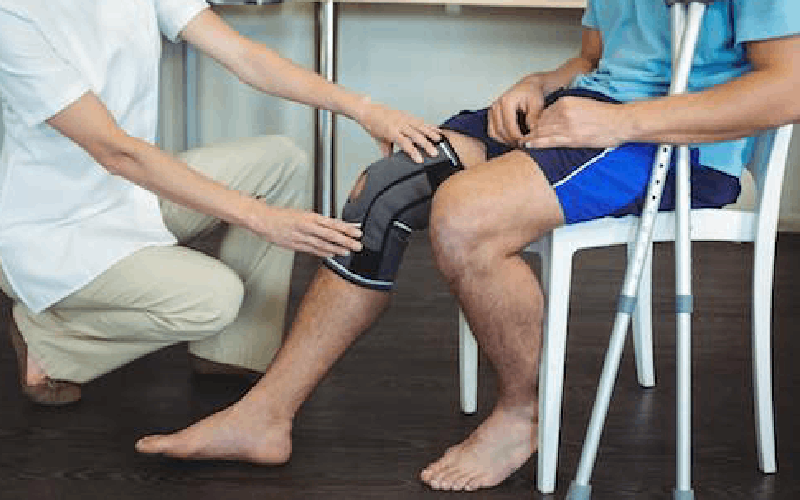
- Walking exercises after knee surgery
- Stretching after back surgery
- Strength training after fracture recovery
2. Occupational Therapy
This helps patients learn how to perform daily tasks again, such as dressing, eating, or bathing.
It is especially useful after major surgeries like stroke, joint replacement, or hand surgery.
3. Pain Management Therapy
Pain is normal after surgery, but it must be controlled. This may include:
- Heat or cold therapy
- Gentle massage
- Safe medications prescribed by doctors
4. Respiratory Therapy
After chest or heart surgery, breathing exercises are very important. These help improve lung function and prevent infections.
5. Psychological Support
Surgery can affect mental health. Some patients feel anxious or depressed. Counseling and emotional support help improve recovery.
Common Surgeries That Need Rehabilitation
Almost every major surgery needs some form of rehabilitation. Some common examples include:
- Knee replacement surgery
- Hip replacement surgery
- Spine surgery
- Heart surgery (bypass or valve surgery)
- Shoulder surgery
- Fracture or bone repair surgery
- Abdominal surgery
Each type of surgery has a different recovery timeline and rehabilitation plan.
What Happens During a Rehabilitation Program?
A post surgery rehabilitation program is carefully planned. It usually starts with an assessment by a specialist.
Step 1: Initial Assessment
The doctor or therapist checks:
- Type of surgery
- Pain level
- Movement ability
- Overall health condition
Step 2: Personalized Plan
A recovery plan is created based on the patient’s needs.
Step 3: Guided Exercises
Patients perform simple exercises under supervision. These gradually become more advanced.
Step 4: Monitoring Progress
Doctors track improvement and adjust the plan if needed.
Step 5: Home Exercises
Patients are often given exercises to continue at home for better recovery.
How Long Does Rehabilitation Take?
The duration depends on:
- Type of surgery
- Age of the patient
- Physical condition before surgery
- Consistency in following the program
Some people recover in a few weeks, while others may take several months. Major surgeries like joint replacements often require longer rehabilitation.
Tips for Successful Recovery
To get the best results from post surgery rehabilitation services, patients should follow these simple tips:
- Follow doctor instructions carefully
- Do not skip therapy sessions
- Stay active but avoid overexertion
- Eat a healthy and balanced diet
- Drink enough water
- Get proper sleep and rest
- Stay positive and patient during recovery
Recovery is a gradual process, and consistency is key.
Role of Family and Caregivers
Family support is very important during rehabilitation. Patients often feel weak or discouraged, and encouragement from family helps them stay motivated.
Caregivers can help by:
- Assisting with daily activities
- Encouraging exercise routines
- Ensuring medication is taken on time
- Providing emotional support
A strong support system can significantly improve recovery speed.
Modern Advances in Rehabilitation
Today, rehabilitation services are more advanced than ever. Some modern techniques include:
- Robotic-assisted therapy
- Virtual physiotherapy sessions
- Hydrotherapy (water-based exercises)
- Digital monitoring tools for progress tracking
These innovations make recovery more effective and comfortable.
Conclusion
Post surgery rehabilitation services are a vital part of the healing journey. Surgery fixes the problem inside the body, but rehabilitation helps the body fully recover and regain strength. Without proper rehabilitation, recovery may be slow and incomplete.
Whether it is a small procedure or a major operation, following a structured rehabilitation program ensures better mobility, less pain, and improved quality of life. With the right care, patience, and guidance, patients can return to their normal routines safely and confidently.
FAQs about Post Surgery Rehabilitation Services
1. When should rehabilitation start after surgery?
Rehabilitation usually starts within a few hours or days after surgery, depending on the doctor’s advice and type of operation.
2. Is rehabilitation painful?
Some exercises may cause mild discomfort, but it should not be severe pain. Therapists adjust exercises according to patient comfort.
3. Can I do rehabilitation at home?
Yes, many exercises can be done at home, but they should be guided by a healthcare professional.
4. How long does full recovery take?
Recovery time varies. It can take weeks to several months depending on surgery type and individual health.
5. What happens if I skip rehabilitation?
Skipping rehabilitation can lead to stiffness, weakness, slow healing, and reduced long-term mobility.