

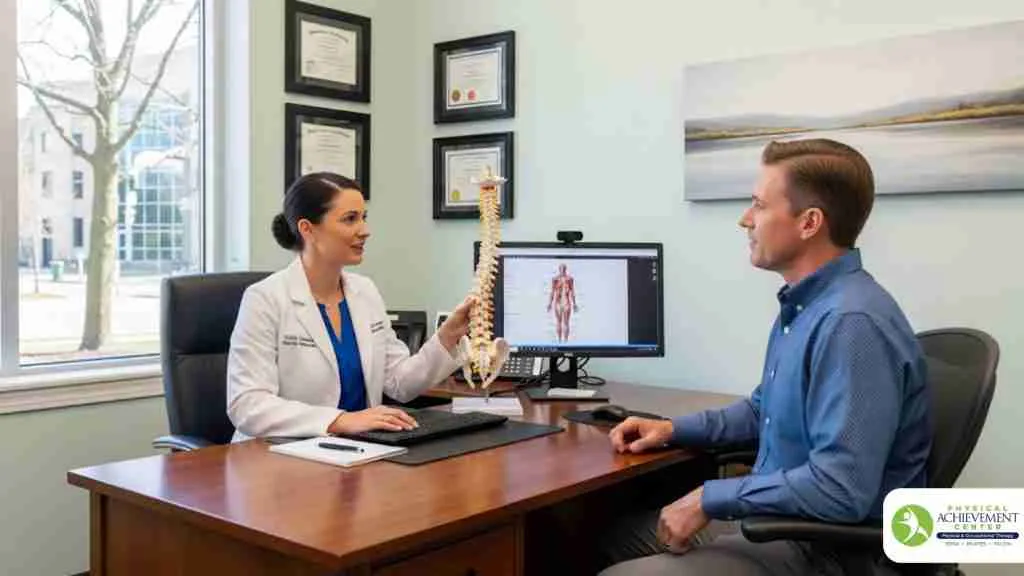

Orthopedic spine surgeons treat conditions that affect the spine, and they diagnose problems, manage pain, and perform surgery when other methods fall short. A first consultation gives you the chance to learn about your options, and asking the right questions helps you understand your path forward. This is what to ask so you leave the visit feeling clear about the next steps:
Are There Non-surgical Alternatives?
Start by asking whether surgery is your only choice. Many spine conditions respond to conservative care, and your surgeon may suggest trying these first. Ask about physical therapy, medication, and injections before you commit to an operation.
You want to know what each alternative involves and how long it takes. Some patients improve with a few weeks of guided therapy, while others need a longer plan. Ask how your orthopedic spine surgeon will measure progress so you know when to move on.
What Lumbar Procedures Are Offered?
Lower back problems often need targeted treatment, so ask which lumbar procedures your surgeon performs. Two standard approaches address different issues, and your surgeon will explain which one fits your diagnosis. Knowing the basics helps you follow the conversation.
Ask about these procedures during your visit:
- Spinal decompression removes tissue that presses on nerves, and it relieves pain caused by that pressure.
- Spinal fusion joins two or more vertebrae, which stabilizes the affected part of your spine.
Each procedure carries its own recovery timeline and set of risks. Ask how long each surgery takes, and find out how much time you spend in the hospital. When you understand the differences, you make a more informed decision.
Do I Qualify for Surgery?
Not every patient is a candidate for spine surgery, so ask about the specific criteria that apply to you. Your surgeon reviews your imaging, and they weigh your overall health before making a recommendation. Understanding these factors helps you set realistic expectations.
Certain conditions raise the risk of complications, and your surgeon needs a full picture of your history. Ask how your age, weight, and existing conditions affect your candidacy. When you share this information openly, your surgeon offers more accurate guidance.
Your recovery process is just as significant as the surgery itself. It requires a combination of self-care, adherence to your surgeon’s instructions, and regular follow-ups. While recovery times vary depending on the procedure and individual factors, staying proactive about your health can significantly improve your outcome.
How Can I Boost Recovery?
Recovery starts the moment surgery ends, so ask your surgeon what to expect afterward. Your daily habits affect your healing, and small steps add up over time. A clear plan gives you something concrete to follow.
Ask your surgeon about these recovery factors:
- Movement limits during the first few weeks
- When you return to work or driving
- Follow-up appointments and imaging schedules
Some patients need physical therapy after surgery, while others follow a home program. Ask how nutrition, sleep, and activity shape your healing timeline. When you know the plan, you prepare your home and your schedule in advance.
Visit an Orthopedic Spine Surgeon
A consultation gives you the facts you need to make a decision about your spine care. Bring a list of questions to your appointment, and take notes as your surgeon responds. Preparing ahead helps you use your time well, and it keeps the conversation focused. Schedule a consultation with an orthopedic spine surgeon today to discuss your options in detail.