

As people get older, their health needs change. Many seniors find it difficult to travel to hospitals or clinics regularly. In such situations, elderly home healthcare services become a very helpful solution. These services bring medical care, nursing support, and daily assistance directly to the patient’s home.
This type of care allows older adults to stay in a familiar and comfortable environment while still receiving professional medical attention. In this article, we will explain what elderly home healthcare services are, what they include, their benefits, and how families can choose the right service.
What Are Elderly Home Healthcare Services?
Elderly home healthcare services refer to medical and personal care provided to senior citizens at their home instead of a hospital or clinic. These services are designed for people who are elderly, weak, recovering from illness, or living with chronic diseases.
The goal is simple: to support seniors so they can live safely and comfortably at home while getting the care they need.
These services are usually provided by trained professionals such as:
- Nurses
- Doctors
- Physiotherapists
- Caregivers
- Health assistants
They may visit daily, weekly, or as needed depending on the patient’s condition.
Why Are Elderly Home Healthcare Services Important?
As people age, they may face several health challenges such as mobility problems, memory issues, or long-term diseases like diabetes and heart conditions. Traveling to a hospital every time can be stressful and tiring.
Home healthcare services solve this problem by bringing care directly to the patient.
Here are some important reasons why these services matter:
1. Comfort of Home
Seniors feel more relaxed and safe in their own home, which helps in faster recovery.
2. Reduced Hospital Visits
Regular checkups and treatments at home reduce the need for frequent hospital trips.
3. Personalized Care
Every patient receives one-on-one attention based on their health condition.
4. Better Safety
It reduces exposure to infections that are common in hospitals.
5. Emotional Support
Being at home keeps seniors close to family, which improves mental well-being.
Types of Elderly Home Healthcare Services
Home healthcare is not just one service. It includes different types of care depending on the patient’s needs.
1. Medical Care at Home
Doctors or nurses visit the patient to check vital signs, manage medications, and treat health conditions.
2. Nursing Care
Trained nurses help with wound dressing, injections, IV therapy, and monitoring health conditions.
3. Physiotherapy at Home
Physiotherapists help seniors improve movement, balance, and strength after surgery, injury, or illness.
4. Personal Care Assistance
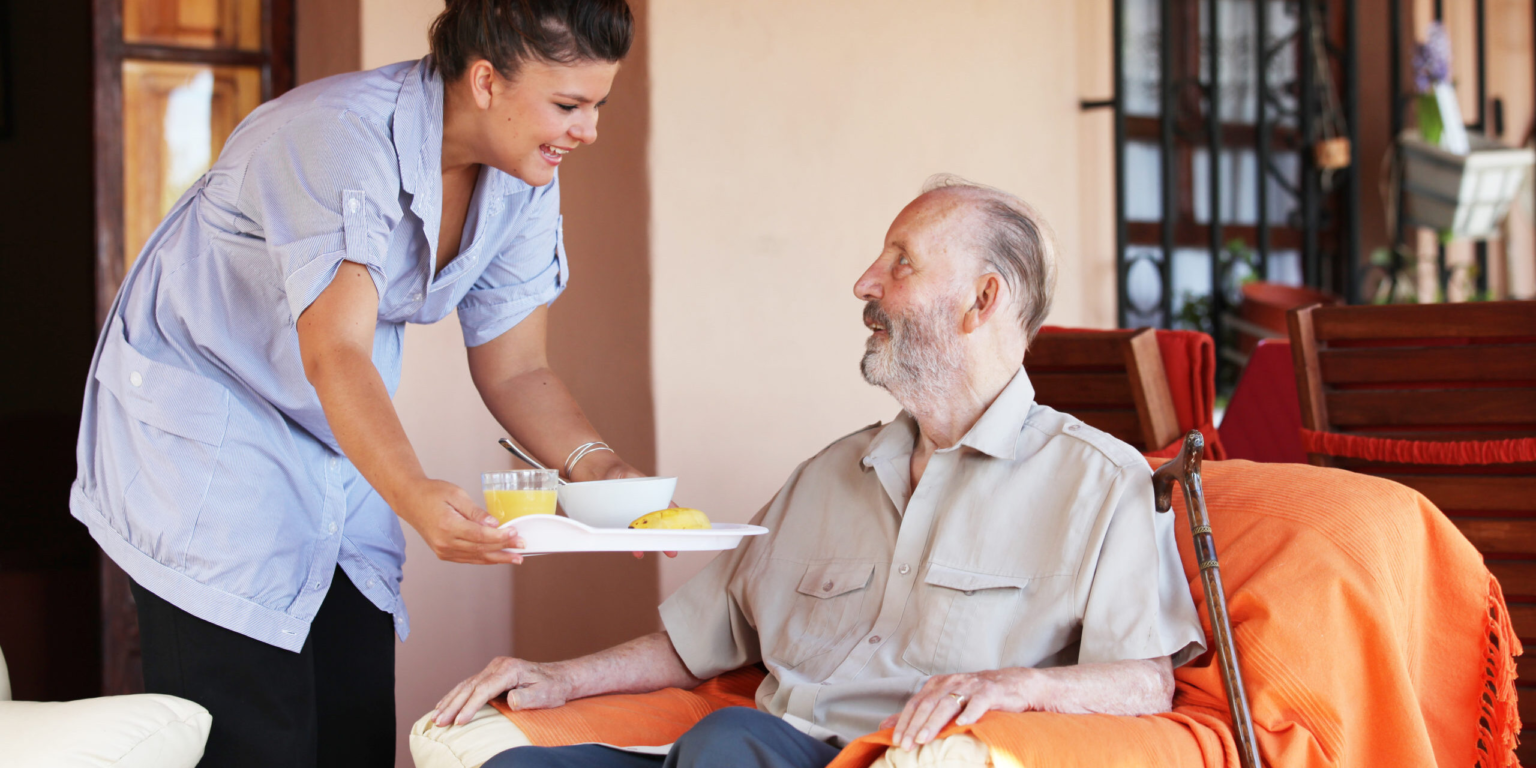
Caregivers help with daily activities such as bathing, dressing, eating, and mobility support.
5. Medication Management
Ensuring that seniors take the right medicine at the right time.
6. Palliative Care
Special care for patients with serious or long-term illnesses to reduce pain and improve comfort.
Who Needs Elderly Home Healthcare Services?
Not every senior needs full-time home care, but many benefit from it in different situations.
You should consider these services if:
- The elderly person has difficulty walking or moving
- There is a chronic illness like diabetes or heart disease
- Recovery is needed after surgery or hospitalization
- Memory problems like dementia or Alzheimer’s are present
- The family cannot provide full-time care due to work or distance
- Frequent medical monitoring is required
Home healthcare is flexible and can be adjusted based on needs.
Benefits of Elderly Home Healthcare Services
Choosing home healthcare offers many advantages for both patients and families.
1. Independence for Seniors
Elderly people can stay in their home and maintain their daily routine.
2. Cost-Effective Care
In many cases, home care is more affordable than long hospital stays.
3. Faster Recovery
Familiar surroundings help reduce stress, which supports healing.
4. Family Involvement
Family members can easily stay involved in the care process.
5. Customized Treatment
Care plans are designed according to individual needs instead of a general hospital routine.
What Happens During Home Healthcare Visits?
When a caregiver or nurse visits, they usually follow a structured plan.
A typical visit may include:
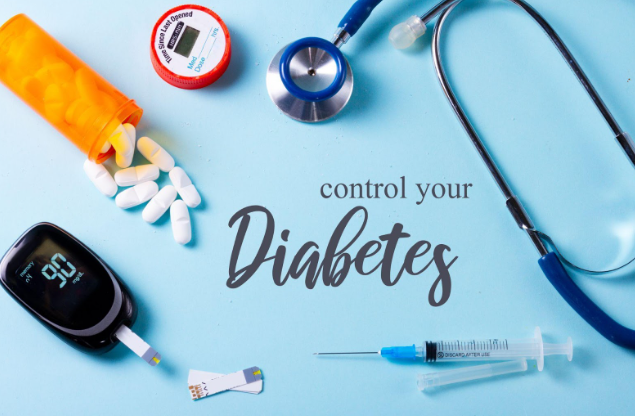
- Checking blood pressure, sugar, and other vital signs
- Giving prescribed medicines or injections
- Helping with physical exercises
- Assisting in daily activities
- Observing mental and physical condition
- Reporting progress to doctors or family
This regular monitoring ensures that any health changes are quickly noticed.
How to Choose the Best Elderly Home Healthcare Services
Selecting the right service is very important for safety and quality care.
Here are some helpful tips:
1. Check Experience and Training
Make sure caregivers and nurses are trained and certified.
2. Read Reviews
Look for feedback from other families who have used the service.
3. Understand Services Offered
Some providers only offer basic care, while others provide full medical support.
4. Availability
Choose a service that is available during emergencies or offers 24/7 support.
5. Communication
Good services keep families updated about the patient’s condition regularly.
Role of Technology in Home Healthcare
Modern home healthcare often uses technology to improve care quality.
Examples include:
- Video consultations with doctors
- Health monitoring devices (BP monitors, glucose meters)
- Mobile apps for tracking medicines
- Emergency alert systems
This makes care more efficient and accurate.
Challenges in Elderly Home Healthcare
While home healthcare is very helpful, it also has some challenges:
- Limited emergency support compared to hospitals
- Need for trained and reliable caregivers
- Emotional stress for family members
- Cost variations depending on services
However, with proper planning, these challenges can be managed easily.
Tips for Families Supporting Elderly Care at Home
Families play a big role in making home healthcare successful.
Here are some simple tips:
- Keep a clean and safe home environment
- Follow medical instructions carefully
- Stay involved in daily care
- Encourage seniors to stay active
- Provide emotional support and companionship
Small efforts can make a big difference in the life of an elderly person.
Conclusion
Elderly home healthcare services are a modern and compassionate way to care for senior citizens. They provide medical attention, emotional support, and daily assistance in the comfort of home. This type of care improves quality of life, reduces hospital visits, and helps seniors stay independent for a longer time.
As families become busier, home healthcare is becoming an important solution for aging loved ones. With the right service provider, seniors can enjoy safe, comfortable, and dignified living at home.
FAQs
1. What are elderly home healthcare services?
They are medical and personal care services provided to seniors at their home instead of a hospital.
2. Who can benefit from home healthcare services?
Elderly people with chronic illnesses, mobility issues, or those recovering from surgery can benefit the most.
3. Are home healthcare services expensive?
Costs vary, but in many cases, they are more affordable than long hospital stays.
4. What kind of professionals provide home care?
Doctors, nurses, physiotherapists, and trained caregivers provide these services.
5. Is home healthcare safe for elderly patients?
Yes, it is safe when provided by trained professionals and proper medical supervision is followed.