

Lower back pain is one of the most common health problems in the world. Almost everyone experiences it at some point in life. It can affect young people, adults, and older individuals. Sometimes it comes suddenly after lifting something heavy. Other times it develops slowly due to poor posture, weak muscles, or long hours of sitting.
The good news is that most lower back pain can be treated successfully without surgery. Understanding the causes and choosing the right treatment for lower back pain can help you recover faster and prevent the pain from coming back.
In this article, we will explain lower back pain in simple words, its common causes, and the most effective treatment options you can try at home or with medical help.
What is Lower Back Pain?
Lower back pain refers to discomfort or pain in the area of the spine between the ribs and hips. This area is also called the lumbar region. It supports most of your body weight and helps you move, bend, sit, and stand.
When this area becomes strained or injured, it can cause mild discomfort or severe pain that affects daily life.
Lower back pain can be:
- Acute: lasts a few days to a few weeks
- Chronic: lasts more than 3 months
Common Causes of Lower Back Pain
Understanding the cause is the first step in finding the right treatment for lower back pain. Some common causes include:
1. Muscle Strain
Lifting heavy objects incorrectly or sudden movements can strain muscles and ligaments.
2. Poor Posture
Sitting for long hours with a bent back or slouching puts pressure on the spine.
3. Lack of Exercise
Weak core muscles cannot support the spine properly, leading to pain.
4. Herniated Disc
A disc in the spine can slip or bulge and press on nerves, causing sharp pain.
5. Aging
As we grow older, bones and joints naturally wear down, causing stiffness and pain.
6. Injury or Accident
Falls, sports injuries, or accidents can damage the lower back.
Symptoms of Lower Back Pain
Lower back pain may feel different for each person. Common symptoms include:
- Dull or sharp pain in the lower back
- Stiffness or difficulty moving
- Pain that spreads to the legs
- Muscle tightness or spasms
- Pain that worsens after sitting or standing too long
If pain lasts more than a few weeks or becomes severe, medical advice is important.
Best Treatment for Lower Back Pain
There are many effective ways to treat lower back pain depending on its cause and severity. Let’s explore them one by one.
1. Rest and Activity Balance
Rest is important in the early stage of pain, but too much rest can make things worse.
- Rest for 1–2 days if pain is strong
- Avoid lying in bed for long periods
- Start gentle movement as soon as possible
Light activity helps blood flow and speeds up healing.
2. Hot and Cold Therapy
This is one of the simplest treatments.
Cold therapy:
- Use ice packs in the first 48 hours
- Reduces swelling and inflammation
Hot therapy:
- Use heat pads after initial pain reduces
- Relaxes muscles and improves blood flow
Switching between hot and cold can be very effective.
3. Pain Relief Medicines
Over-the-counter medicines can help reduce pain and inflammation.
Common options include:
- Paracetamol
- Ibuprofen
- Muscle relaxants (if prescribed by a doctor)
Always use medicines carefully and avoid overuse.
4. Physical Therapy and Exercise
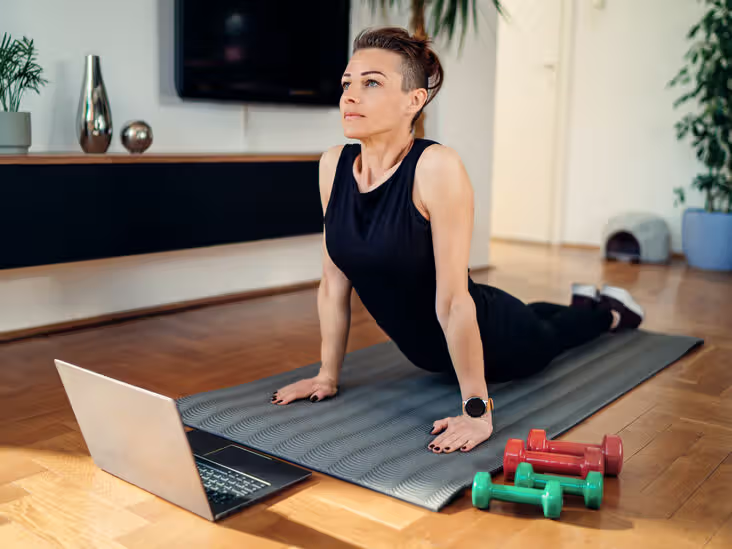
Exercise is one of the most important long-term treatments for lower back pain.
A physiotherapist may recommend:
- Stretching exercises
- Strengthening core muscles
- Posture correction training
- Flexibility exercises
Some simple exercises include:
- Knee-to-chest stretch
- Cat-cow stretch
- Pelvic tilts
Doing these regularly helps prevent future pain.
5. Improve Posture
Bad posture is a major cause of back pain.
To improve posture:
- Keep your back straight while sitting
- Use a chair with good lumbar support
- Keep feet flat on the ground
- Avoid slouching while using mobile or computer
Good posture reduces pressure on your spine.
6. Massage Therapy
Massage can relax tight muscles and improve blood circulation.
Benefits of massage:
- Reduces muscle tension
- Improves flexibility
- Relieves stress-related pain
It can be done by a professional or gently at home.
7. Weight Management
Extra body weight puts pressure on the lower back.
Maintaining a healthy weight helps:
- Reduce stress on spine
- Improve movement
- Prevent recurring pain
A balanced diet and regular exercise are key.
8. Lifestyle Changes
Small lifestyle changes can make a big difference:
- Avoid sitting for long hours
- Take breaks every 30–60 minutes
- Sleep on a supportive mattress
- Avoid lifting heavy objects incorrectly
- Stay physically active
These habits support long-term back health.
9. Medical Treatments
If pain is severe or long-lasting, doctors may suggest:
- Steroid injections
- Stronger prescription medications
- Imaging tests like X-rays or MRI
- Rarely, surgery for serious conditions
Medical treatment depends on the exact cause.
When to See a Doctor
You should consult a doctor if:
- Pain lasts more than 2–3 weeks
- Pain spreads to legs with numbness
- You feel weakness in legs
- Pain is severe after injury
- You have trouble standing or walking
Early diagnosis helps prevent complications.
Prevention Tips for Lower Back Pain
Preventing pain is better than treating it. Here are simple tips:
- Exercise regularly
- Maintain good posture
- Avoid lifting heavy objects alone
- Stretch daily
- Stay active instead of sitting too much
- Use ergonomic furniture
Final Thoughts
Lower back pain is common, but it should not be ignored. The right treatment for lower back pain depends on the cause, lifestyle, and severity of the condition. Most people improve with simple care like rest, exercise, posture correction, and home remedies.
If the pain continues or gets worse, medical advice is important. With proper care and healthy habits, you can live a pain-free and active life again.
Frequently Asked Questions (FAQs)
1. What is the fastest way to relieve lower back pain?
Rest, ice or heat therapy, and mild pain relievers can provide quick relief. Gentle stretching also helps.
2. Can lower back pain heal naturally?
Yes, most cases improve naturally within a few days or weeks with proper care and movement.
3. Is walking good for lower back pain?
Yes, slow and gentle walking helps improve blood flow and reduces stiffness.
4. Should I rest or exercise with back pain?
Short rest is helpful, but light exercise is better for faster recovery.
5. When is lower back pain serious?
If pain lasts more than a few weeks, spreads to legs, or causes numbness, you should see a doctor.