

Sports are exciting, healthy, and a great way to stay fit. But whether you are a professional athlete or just someone who enjoys playing for fun, injuries can happen at any time. Sprains, muscle tears, ligament damage, and joint pain are very common in sports.
When injuries happen, many people think rest alone will fix the problem. But in most cases, proper recovery needs more than rest. This is where physical therapy for sports injuries becomes very important.
Physical therapy is a structured treatment approach that helps athletes and active individuals recover from injuries, reduce pain, regain movement, and return to sports safely. It is not just about healing—it is about rebuilding strength and preventing future injuries.
In this article, we will explain what physical therapy is, how it works for sports injuries, its benefits, common techniques, and what you can expect during recovery.
What Is Physical Therapy for Sports Injuries?
Physical therapy for sports injuries is a specialized form of treatment that focuses on restoring movement, strength, and function after an injury caused during physical activity or sports.
It is guided by trained professionals called physical therapists or physiotherapists. They design personalized recovery plans based on the type of injury, severity, and the patient’s fitness level.
The main goal is not only to heal the injury but also to help the body become strong enough to prevent the same injury from happening again.
Why Do Sports Injuries Happen?
Sports injuries can happen for many reasons. Some of the most common include:
- Sudden twisting or turning movements
- Overuse of muscles and joints
- Poor warm-up before activity
- Lack of flexibility or strength
- Incorrect training techniques
- Accidents or collisions during play
Common sports injuries include:
- Sprained ankles
- Torn ligaments (like ACL injuries)
- Muscle strains
- Shoulder injuries
- Knee pain
- Tennis elbow
- Hamstring injuries
Each injury requires a different recovery approach, and physical therapy is tailored to each one.
Why Physical Therapy Is Important for Sports Injuries
Many athletes try to return to sports too quickly after an injury. This often leads to re-injury or long-term damage. Physical therapy helps avoid this problem by ensuring complete and safe recovery.
Key benefits of physical therapy include:
1. Pain Reduction
Therapists use safe techniques to reduce pain without relying only on medication.
2. Faster Recovery
Controlled movement improves blood flow and speeds up healing.
3. Restoring Strength
Injuries often weaken muscles. Therapy helps rebuild strength gradually.
4. Improved Flexibility
Stretching exercises help restore normal movement in joints and muscles.
5. Injury Prevention
Therapy strengthens weak areas to reduce the risk of future injuries.
How Physical Therapy Works for Sports Injuries
Physical therapy is not a single treatment. It is a step-by-step process designed for each patient.
Step 1: Assessment and Diagnosis
The therapist first examines the injury by checking:
- Pain level
- Movement ability
- Swelling or stiffness
- Strength and balance
This helps create a personalized treatment plan.
Step 2: Pain and Swelling Control
In the early stage, the focus is on reducing pain and inflammation. This may include:
- Ice therapy
- Gentle massage
- Rest and elevation
- Light movement exercises
Step 3: Restoring Movement
Once pain reduces, the therapist introduces gentle exercises to restore joint movement. This helps prevent stiffness.
Step 4: Strength Training
After movement improves, strengthening exercises are added. These target muscles around the injured area to provide better support.
Examples include:
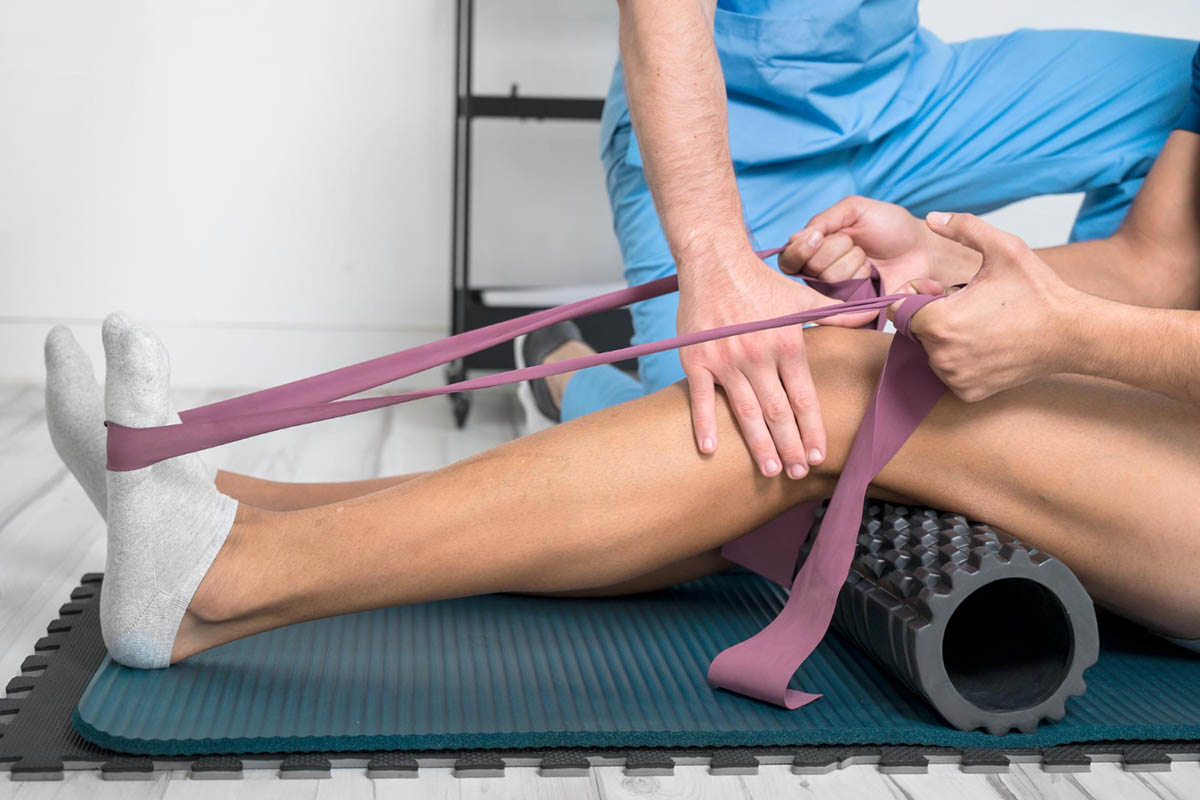
- Resistance band exercises
- Bodyweight exercises
- Light weight training
Step 5: Balance and Coordination Training
Athletes need good balance and control to return to sports safely. Exercises in this stage improve stability and coordination.
Step 6: Sport-Specific Training
In the final stage, patients practice movements related to their sport, such as running, jumping, or throwing. This ensures they are ready to return to full activity.
Common Physical Therapy Techniques
Physical therapists use many techniques depending on the injury:
1. Manual Therapy
Hands-on techniques to reduce stiffness and improve movement.
2. Exercise Therapy
Customized exercise programs to build strength and flexibility.
3. Electrotherapy
Use of electrical signals to reduce pain and stimulate muscles.
4. Heat and Cold Therapy
- Cold reduces swelling
- Heat relaxes muscles and improves blood flow
5. Stretching Programs
Helps improve flexibility and reduce tightness.
Sports That Commonly Require Physical Therapy
Almost every sport has injury risks, but some have higher chances of injury:
- Football (soccer)
- Basketball
- Cricket
- Tennis
- Running and athletics
- Gym workouts and weightlifting
- Rugby and contact sports
Athletes in these sports often rely on physical therapy for recovery and performance improvement.
What to Expect During Physical Therapy
Many people feel unsure about starting physical therapy. Here is what usually happens:
- The first session includes an assessment
- The therapist explains the recovery plan
- Exercises start slowly and gradually increase
- Progress is tracked regularly
- Home exercises are given for faster recovery
Consistency is very important. Missing sessions can slow down recovery.
How Long Does Recovery Take?
Recovery time depends on:
- Type of injury
- Severity of damage
- Age and fitness level
- How regularly therapy is followed
Minor injuries may heal in a few weeks, while serious injuries like ligament tears may take several months.
Tips for Better Recovery from Sports Injuries
To get the best results from physical therapy, follow these simple tips:
- Follow your therapist’s instructions carefully
- Do not rush back into sports
- Stay consistent with exercises
- Eat a healthy diet rich in protein and vitamins
- Stay hydrated
- Get enough sleep
- Be patient with your recovery process
Healing takes time, and pushing too hard can make things worse.
Preventing Future Sports Injuries
Physical therapy is not only for healing—it also teaches prevention. Some important prevention tips include:
- Always warm up before exercise
- Stretch regularly
- Use proper sports techniques
- Wear the right gear
- Strengthen weak muscles
- Avoid overtraining
A strong and flexible body is less likely to get injured.
Conclusion
Physical therapy for sports injuries is one of the most effective ways to recover safely and completely. It helps reduce pain, restore movement, rebuild strength, and prevent future injuries.
Instead of just resting and waiting for pain to disappear, physical therapy actively guides the body through healing. It ensures that athletes and active individuals can return to their sport stronger, safer, and more confident.
Whether the injury is minor or serious, proper physical therapy can make a big difference in recovery speed and long-term health.
FAQs about Physical Therapy for Sports Injuries
1. Do I need physical therapy for minor sports injuries?
Yes, even minor injuries benefit from therapy because it helps prevent stiffness and future complications.
2. Is physical therapy painful?
Some exercises may feel uncomfortable, but they should not cause sharp pain. Therapists adjust intensity based on your condition.
3. Can I do physical therapy at home?
Yes, many exercises can be done at home, but they should be guided by a professional for safety.
4. How soon can I return to sports after injury?
It depends on the injury type and recovery progress. Only your therapist can safely decide when you are ready.
5. What happens if I skip physical therapy sessions?
Skipping therapy can slow recovery, increase pain, and raise the risk of re-injury.