

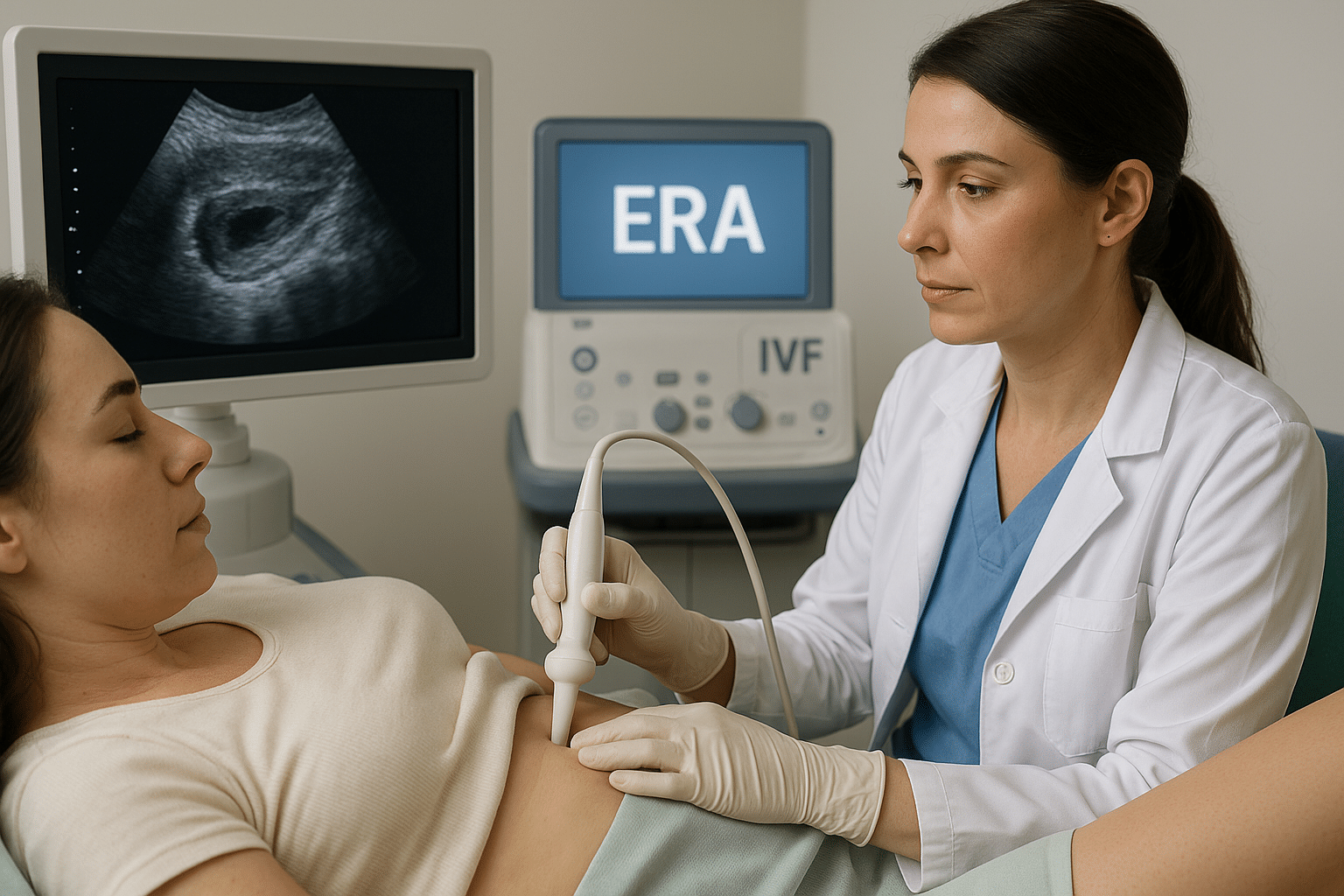

People who hope to build a family can face obstacles. Natural conception may prove difficult, but medical science offers several options that aim to help. In vitro fertilization, commonly known as IVF, stands as one of the most widely recognized fertility treatments available today.
What Is IVF?
In vitro fertilization is a form of assisted reproductive technology. This fertilization takes place outside the body in a laboratory setting rather than inside the fallopian tubes. During IVF, an egg is combined with sperm in a controlled environment. Fertilization occurs in this setting, and the embryo may then be transferred into the uterus with the aim of achieving pregnancy. Because each person’s situation differs, fertility specialists often tailor the approach to fit individual needs. IVF may be used on its own or combined with other techniques depending on the circumstances.
What Does It Involve?
IVF is a multi-step process, typically unfolding over several weeks. The exact details vary from person to person, but the general stages remain similar. These steps include:
- Ovaries Stimulation: The process usually begins with medication designed to encourage the ovaries to produce multiple eggs rather than the single egg that develops in a typical cycle. Producing more eggs can raise the chances of collecting viable ones for fertilization.
- Monitoring: Throughout this stage, a specialist tracks progress using blood tests and ultrasound scans. This monitoring helps the medical team decide the best time to retrieve the eggs.
- Egg Retrieval: When the eggs have matured, a minor procedure is performed to collect them. This step is generally carried out with some form of anesthesia to keep the patient comfortable.
- Fertilization: In the laboratory, the collected eggs are combined with sperm. The samples are then observed as fertilization takes place.
- Embryo Development: Fertilized eggs are cultured for several days while their growth is monitored. This period allows the team to select embryos that appear most likely to develop successfully.
- Embryo Transfer: An embryo is placed into the uterus through a thin catheter. Any healthy embryos that are not transferred may be frozen for future use.
After the transfer, a waiting period follows before a test can confirm whether pregnancy has occurred. The full cycle demands time and regular communication with the care team.
Who Is It For?
IVF may be an option for a range of people facing difficulties with conception. Individuals and couples who have tried other treatments without success sometimes turn to IVF as a next step. Common situations where IVF is discussed vary, including blocked or damaged fallopian tubes, reduced sperm count or motility, and unexplained infertility. It can also be relevant for people affected by certain genetic conditions, or it is used for those who wish to use donor sperm.
Same-sex couples and single individuals who want to become parents may also explore IVF as part of their family-building plans. Other factors, such as age, overall health, and specific medical history, all play a role in whether the treatment is appropriate. A fertility specialist will review these factors, and they can explain what one should expect.
Consult a Fertility Specialist
Outcomes of IVF depend on many factors, and success rates differ based on individual circumstances. Speaking with a fertility specialist gives you access to guidance, which can be shaped around your unique situation. A specialist will perform relevant evaluations, explain the available paths, and help you understand how IVF or alternative treatments might fit your goals.