
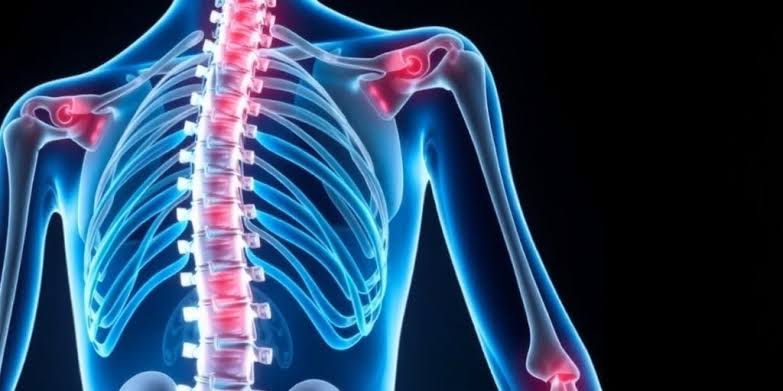

Your bones change as you grow older, and these changes affect how you move each day. Bone tissue rebuilds itself throughout life, but this process may slow with age. Older bones lose density, and they become more fragile over time. Here is more information on how aging affects your bone health:
Bone Fractures
Fractures may occur as your bone health weakens with age. Older adults typically face a higher risk of fractures, and even minor falls can cause breaks. A simple stumble may lead to a wrist, hip, or spine injury.
When recovery takes longer in later years, fractures affect daily independence. Hip fractures may require surgery, and they may reduce mobility afterward. You lose strength during long recovery periods.
Certain habits raise your fracture risk over time. Watch for these factors:
- Low physical activity
- Poor balance or vision
- Reduced muscle strength
- At-home hazards like loose rugs
Small changes at home reduce many hazards. You might add grab bars, and better lighting helps too. Since prevention matters more with age, these steps limit injury.
Bone Cancer
Bone cancer starts inside bone tissue itself. Since symptoms overlap with other conditions, diagnosis sometimes takes time. Pain marks an early sign of bone cancer. The pain may worsen at night, and swelling sometimes appears near the affected area.
Persistent discomfort requires a medical review. Doctors use several tools to find bone cancer. Imaging scans reveal changes, and a biopsy confirms the diagnosis. Since early detection shapes treatment options, timely testing matters.
Osteoporosis Risk
Osteoporosis thins bones until they break easily. This condition develops slowly, and many people notice no symptoms early on. When it stays silent, a fracture typically becomes the first warning sign.
Several factors raise osteoporosis risk as you age; women after menopause face a higher risk, and low calcium intake adds to it. Family history also plays a role in some cases.
You can aim to lower your risk through steady daily habits. Try these measures:
- Eat calcium-rich foods
- Get enough vitamin D
- Do weight-bearing exercise
- Limit alcohol and smoking
Bone Metastasis
Bone metastasis occurs when cancer spreads to the bone from another organ. This process differs from primary bone cancer, and it appears more often in older patients. Since many cancers travel to the bone, awareness helps.
Typical sources include breast, prostate, and lung cancers. These cancers may reach the spine, and they sometimes affect the pelvis or ribs. Bone pain signals that this spread is taking place.
Doctors monitor bone health during cancer treatment. Regular scans track changes, and medications help manage bone-related symptoms. You play a part by reporting new pain promptly. Fractures, osteoporosis, bone cancer, and metastasis affect people in different ways.
Get Your Bone Health Assessed
Aging brings real changes to your bones, and each condition above carries its own signs. Since early detection guides care, regular assessment gives you useful information. A bone health assessment reviews your density and risk factors, so talk with your provider and ask about a bone density scan. Schedule an appointment today to review your bone health with a qualified professional.