

Varicose veins can affect many people and often signal an underlying vein condition rather than a cosmetic issue. These enlarged, twisted veins commonly appear on the legs and reflect changes in blood flow within the venous system. Understanding how varicose veins develop and what treatment options exist helps patients make informed decisions about long-term vein health. Here is more information about the cause and effective treatments for varicose veins:
Causes of Varicose Veins
Healthy veins use one-way valves to move blood upward toward the heart. When these valves weaken or fail, blood flows backward and pools inside the vein. This backflow increases pressure inside the vessel and causes the vein to stretch and bulge. Varicose veins often form in the legs because blood must travel against gravity, and venous reflux develops when the valves no longer close properly. This pressure changes the structure of the vein wall and produces visible veins.
Varicose Vein Risks
Several well-established risk factors increase the likelihood of developing varicose veins. These factors affect how efficiently blood flows through the veins in the legs and how well vein valves maintain proper circulation. While no single cause guarantees varicose will develop in the veins, overlapping risks raise the likelihood significantly. Common risk factors include:
- Age: Vein valves naturally lose elasticity over time, making older adults more susceptible.
- Sex: Women develop varicose veins at higher rates than men, partly due to hormonal changes during pregnancy, menstruation, and menopause.
- Prolonged standing or sitting: Occupations that require long periods on your feet—or at a desk—reduce blood flow efficiency in the legs.
- Obesity: Excess body weight places additional pressure on veins, accelerating valve deterioration.
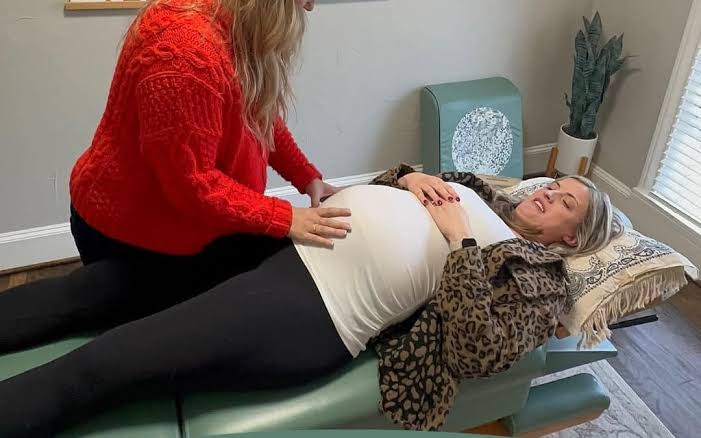
- Pregnancy: Increased blood volume and pressure from the growing uterus put added strain on leg veins.
These factors often work together rather than in isolation, influencing overall vein health over time.
Non-Surgical Treatments
Mild to moderate cases often respond to conservative therapies, and vein specialists usually begin with these options. Compression stockings provide graduated pressure that supports blood flow back toward the heart. Regular walking strengthens calf muscles and improves circulation in the legs. Weight management and leg elevation during rest can also reduce pressure on affected veins.
Sclerotherapy offers another non-surgical option for treating smaller varicose and spider veins. A physician injects a solution into the affected vein, causing it to close and gradually fade. The procedure targets damaged veins while allowing blood to reroute through healthier vessels.
Minimally Invasive Treatments
When veins are larger, more symptomatic, or do not respond to conservative care, minimally invasive procedures provide effective treatment options. These approaches target the underlying vein dysfunction while avoiding the need for open surgery. Common treatment options include:
- Endovenous laser ablation (EVLA): Uses laser energy through a catheter to close faulty veins from within.
- Radiofrequency ablation (RFA): Uses controlled heat to seal affected veins and redirect blood flow.
- Varithena® microfoam treatment: Injects a prescription foam to close incompetent veins without heat.
- Ambulatory phlebectomy: Removes surface veins through small skin punctures with minimal scarring.
- Surgical ligation and stripping: Remove or tie off larger veins in more complex cases.
Schedule a Consultation Today
Varicose veins are a treatable medical condition that should not be ignored or left unaddressed. A vein specialist can evaluate symptoms and identify the underlying cause of vein dysfunction. Early evaluation expands the range of available treatment options and supports better long-term outcomes. Schedule a consultation with a vein specialist today to explore your treatment options and protect your vein health.