

Skin cancer is one of the most common types of cancer in the world, but it is also one of the most preventable and treatable when detected early. A skin cancer screening appointment is a simple medical check-up where a doctor examines your skin to look for any unusual moles, spots, or changes that could indicate skin cancer.
Many people ignore small changes on their skin, thinking they are harmless. However, early detection can make a huge difference in treatment success. That is why regular skin checks are strongly recommended, especially for people with higher risk factors.
In this article, we will explain what a skin cancer screening appointment is, why it is important, what happens during the visit, and how you can prepare for it in an easy and practical way.
What is a Skin Cancer Screening Appointment?
A skin cancer screening appointment is a medical visit where a doctor or dermatologist carefully examines your skin from head to toe. The goal is to identify early signs of skin cancer such as:
- Unusual moles
- New skin growths
- Changes in existing spots
- Skin lesions that do not heal
- Irregular pigmentation or color changes
The screening is usually quick, painless, and non-invasive. Most appointments take around 10 to 20 minutes.
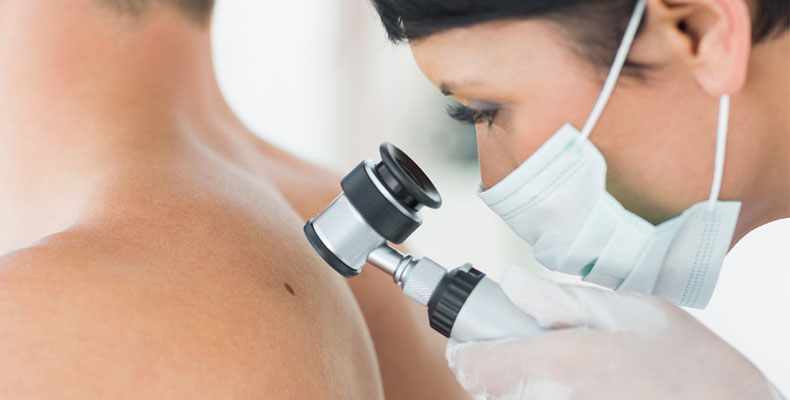
Doctors often use a special tool called a dermatoscope, which helps them see skin structures more clearly.
Why is Skin Cancer Screening Important?
Skin cancer can develop slowly and may not cause pain in the early stages. Because of this, many people do not realize they have it until it becomes more serious.
Here are the main reasons why screening is important:
1. Early Detection Saves Lives
When skin cancer is found early, it is highly treatable. Some types, like melanoma, can spread quickly if not treated early.
2. Prevention of Serious Complications
Regular screening helps stop cancer from growing or spreading to other parts of the body.
3. Peace of Mind
Even if nothing is wrong, a screening appointment gives you reassurance that your skin is healthy.
4. Better Treatment Options
Early-stage skin cancer usually requires simpler treatment, often with better outcomes.
Who Should Get a Skin Cancer Screening Appointment?
While everyone can benefit from a skin check, some people are at higher risk and should be more careful.
You should consider regular screenings if you:
- Have fair skin that burns easily
- Spend a lot of time in the sun
- Have a history of sunburns
- Use tanning beds
- Have many moles or unusual moles
- Have a family history of skin cancer
- Are over the age of 40
- Have a weakened immune system
If you fall into any of these categories, doctors often recommend yearly or even more frequent screenings.
Signs You Should Not Ignore
Between appointments, it is important to watch your skin for changes. The “ABCDE rule” is commonly used to identify suspicious moles:
- A – Asymmetry: One half of the mole looks different from the other
- B – Border: Edges are irregular or blurred
- C – Color: Uneven color or multiple shades
- D – Diameter: Larger than 6mm (pencil eraser size)
- E – Evolving: Changes in size, shape, or color
Other warning signs include:
- Sores that do not heal
- Itchy or bleeding spots
- New dark patches on skin
If you notice any of these signs, you should book a skin cancer screening appointment as soon as possible.
What Happens During a Skin Cancer Screening Appointment?
Many people feel nervous before their first screening, but the process is simple and comfortable.
Step 1: Medical History Discussion
The doctor may ask about:
- Your skin history
- Sun exposure habits
- Family history of cancer
- Any changes you have noticed
Step 2: Full Skin Examination
You will be asked to remove some clothing so the doctor can check your entire body. This includes:
- Face and scalp
- Arms and hands
- Chest and back
- Legs and feet
The doctor carefully examines each area for unusual marks.
Step 3: Use of Special Tools
A dermatoscope may be used to closely examine suspicious spots. It helps the doctor see deeper layers of the skin.
Step 4: Possible Biopsy (If Needed)
If something looks unusual, the doctor may take a small skin sample for testing. This is called a biopsy and is usually quick with minimal discomfort.
Step 5: Results and Advice
In many cases, the doctor will provide immediate feedback or schedule follow-up results if a biopsy was done.
How to Prepare for Your Appointment
Preparing for a skin cancer screening appointment is easy. Here are some simple tips:
- Do not wear makeup or nail polish
- Remove jewelry for easy examination
- Make a list of skin changes you noticed
- Wear loose and comfortable clothing
- Avoid self-tanning products before the visit
Taking photos of any changing moles before your appointment can also help the doctor compare changes over time.
What Happens After the Screening?
After your appointment, there are usually three possible outcomes:
1. No Issues Found
If everything looks normal, you may be advised to come back for routine yearly checks.
2. Monitoring Required
Some spots may not be dangerous but need regular observation.
3. Further Testing Needed
If the doctor finds suspicious areas, a biopsy or treatment plan may be recommended.
Can Skin Cancer Be Prevented?
While not all cases can be prevented, you can reduce your risk significantly by following these steps:
- Use sunscreen daily (SPF 30 or higher)
- Avoid tanning beds
- Wear protective clothing
- Stay in shade during peak sun hours (10 AM – 4 PM)
- Regularly check your skin at home
Prevention combined with regular screening is the best protection.
Benefits of Regular Skin Cancer Screening
Making skin checks a routine part of your healthcare offers many benefits:
- Early detection of skin issues
- Lower treatment costs
- Better health outcomes
- Reduced anxiety about skin changes
- Long-term skin health awareness
Even a short yearly appointment can make a life-saving difference.
Final Thoughts
A skin cancer screening appointment is a simple but powerful step toward protecting your health. It is quick, painless, and highly effective in detecting early signs of skin cancer. Many people delay it because they think it is unnecessary, but early detection is the key to successful treatment.
If you notice any changes in your skin or belong to a high-risk group, do not wait. Booking a screening appointment could be one of the most important health decisions you make.
Taking care of your skin today can protect your future health tomorrow.
Frequently Asked Questions (FAQs)
1. How often should I get a skin cancer screening appointment?
Most people should have a screening once a year. However, high-risk individuals may need more frequent checks as advised by a doctor.
2. Is a skin cancer screening painful?
No, it is completely painless. It is a visual examination of your skin and usually takes only a few minutes.
3. Do I need a referral for a skin cancer screening appointment?
In many cases, you can book directly with a dermatologist. Some healthcare systems may require a referral from a general doctor.
4. What should I wear to a skin cancer screening?
Wear loose, easy-to-remove clothing. Avoid makeup and nail polish so the doctor can fully examine your skin.
5. Can skin cancer be cured if found early?
Yes, most skin cancers are highly treatable when detected early. That is why regular screenings are very important.