
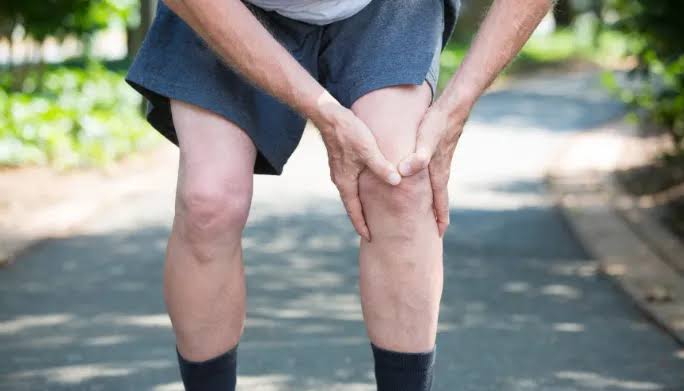

The anterior cruciate ligament (ACL) stabilizes your knee, but a tear can occur after sudden stops or pivots, and it may cause swelling and pain. When this ligament fails, your knee feels unstable during movement. Recovery involves several stages, and each one targets a different part of your healing. Here is more information on your rehabilitation options after an ACL tear:
Limited Activities
Rest gives your knee time to settle after the injury. Doctors may recommend cutting back on movement that strains the joint, and this may reduce further damage. To help, try to lower your risk of extra harm by avoiding high-impact motion early on.
Certain activities tend to aggravate an ACL tear, so pay attention to how your knee responds during daily tasks. Typical movements to limit include:
- Running or jumping
- Pivoting or twisting sharply
- Squatting or lunging
You track your progress as swelling goes down. Gentle motion keeps the joint from stiffening, though your care team guides the pace, and they adjust it as you heal.
Temporary Immobilization
Some patients need to keep the knee still for a short period. A brace or splint holds the joint in a fixed position, and this protects healing tissue. When you limit motion early, you give the ligament a stable environment.
For some patients, immobilization typically lasts a few days to a couple of weeks. Your doctor sets the exact timeframe based on your injury, and they monitor your response. Keeping the knee still too long may lead to stiffness, so timing matters.
Physical Therapy
Physical therapy rebuilds strength and range of motion. A licensed therapist designs a plan for your specific injury, and each session targets weak areas. When you follow the routine consistently, your muscles gradually adapt.
Exercises progress as your knee grows stronger, while early sessions focus on gentle stretching and control. Your therapist may include these goals:
- Restoring full range of motion
- Strengthening the surrounding muscles
- Improving balance and stability
You practice targeted movements between appointments. Home exercises reinforce clinic work, and they help maintain steady progress. Skipping sessions may slow your recovery, so attendance shapes your timeline.
Supportive Knee Braces
A knee brace adds structure while your ligament heals. Braces limit motion that might strain the joint, and they support you during approved activity. When you wear one correctly, your knee stays more stable.
Different braces serve different purposes. Some restrict movement, while others allow controlled flexion. Your provider recommends a type based on your stage of recovery, and they explain how to fit it properly.
Bracing typically continues once you return to activity. You wear the device during sports or physical work, and it reduces the chance of reinjury. A brace does not replace strengthening exercises, so pair it with your therapy plan.
Get ACL Tear Treatment Today
An ACL tear affects how you move and how you feel each day, and the right rehabilitation plan combines rest, therapy, and support, and it matches your specific needs. When you address the injury early, you set a clearer path forward. Schedule an appointment with a knee specialist near you. A professional assessment guides your next steps, and it helps you understand your treatment choices.